Table of Contents
The Córdoba Patios: How to Visit San Basilio’s Flower-Filled Courtyards, During and Beyond the May Festival
There are plenty of reasons to visit Córdoba. The Mezquita-Cathedral is one of Spain’s great monuments. The old Jewish Quarter is made for aimless wandering. The Roman Bridge, the Guadalquivir and the city’s golden evening light all play their part.
But for many visitors, the most memorable experience is quieter.
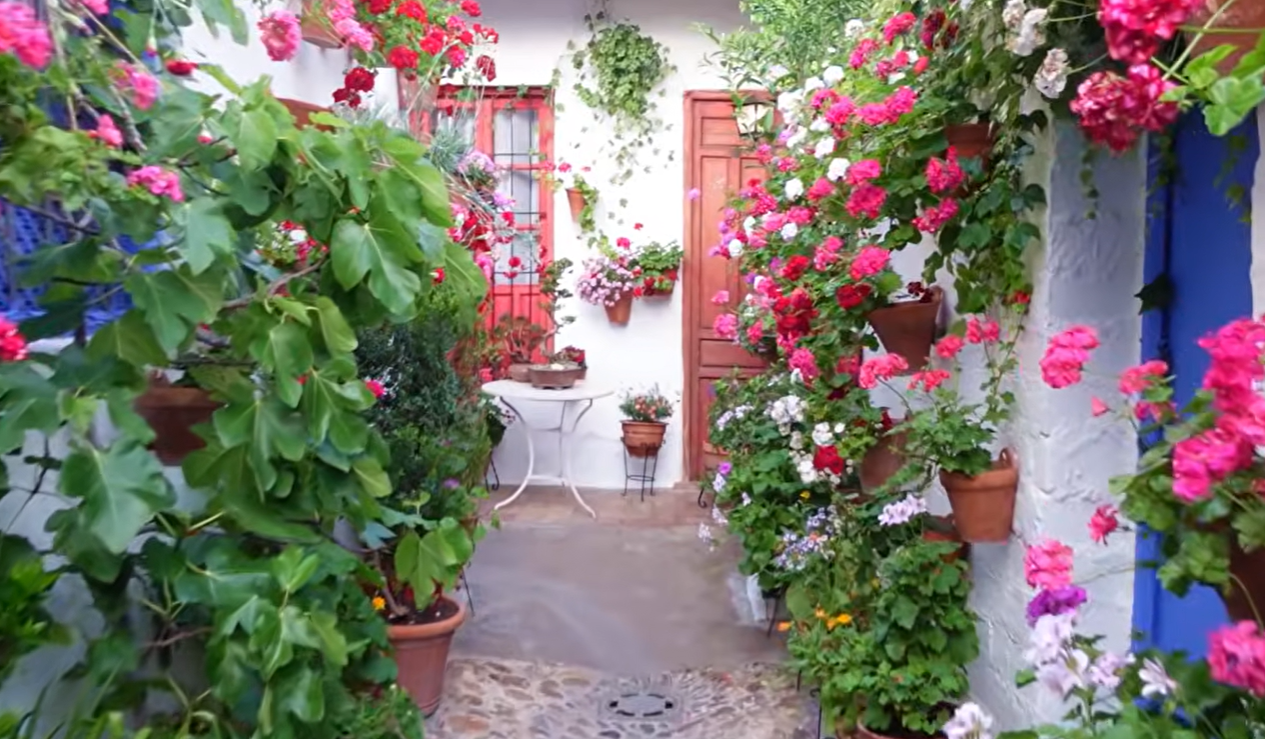
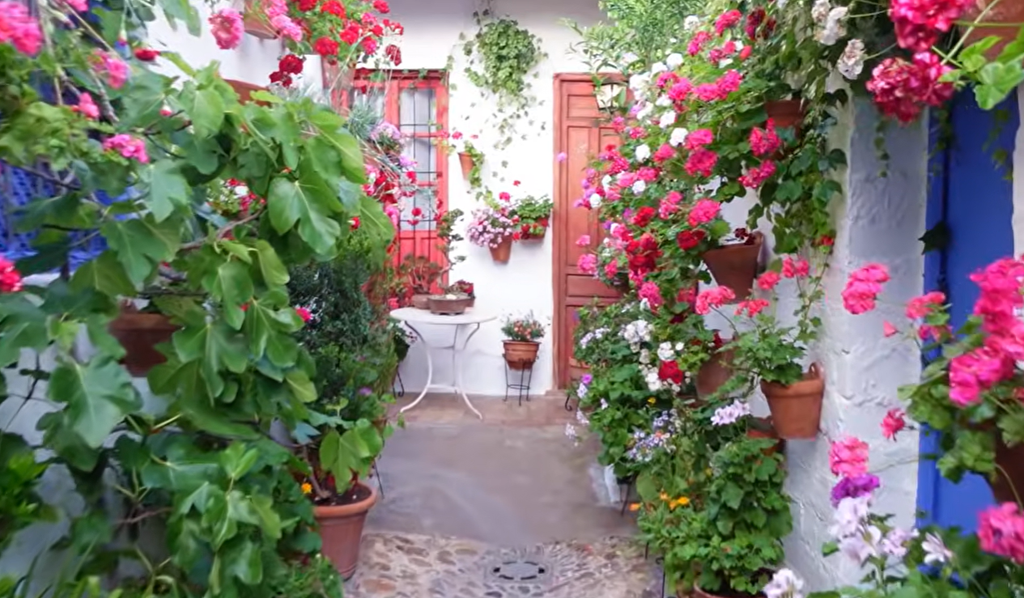
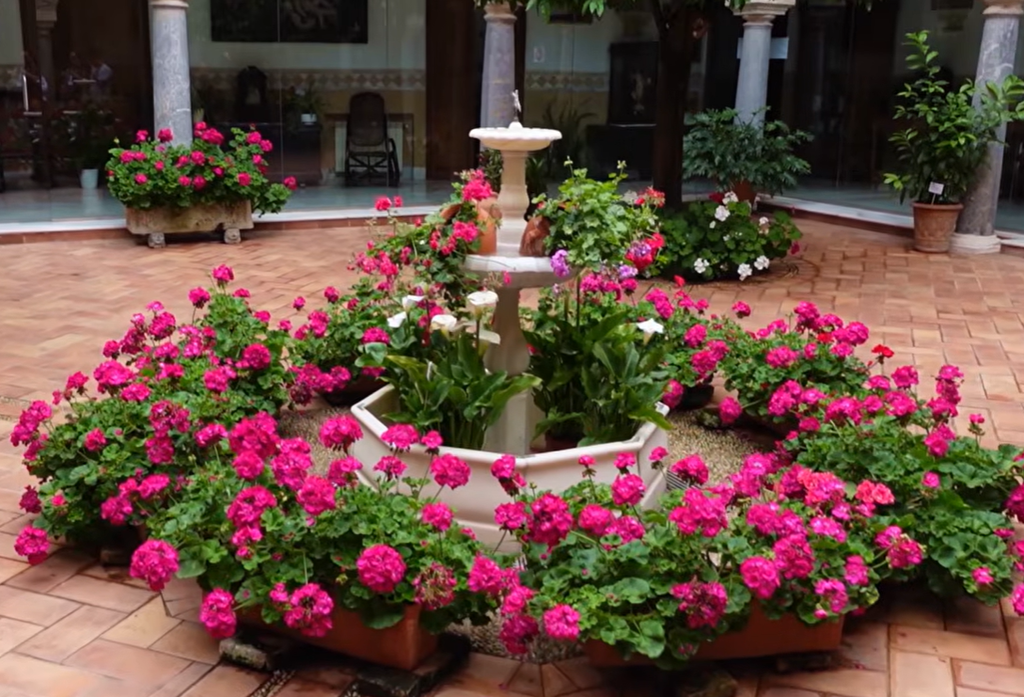
It is stepping through an unassuming doorway in the old city and finding a courtyard filled with flowers, tiled walls, fountains, pots of geraniums and jasmine, and the sort of cool shade that makes immediate sense in one of Europe’s hottest cities.
These are the famous Córdoba patios: private or communal courtyards that sit at the heart of traditional Cordoban homes. They are not simply decorative spaces created for tourists. They are part of a way of living that has developed over centuries, shaped by heat, community and the practical need for light, air and shelter.
The best-known concentration of these courtyards lies in San Basilio, also called Alcázar Viejo, a quiet historic neighbourhood close to the Alcázar de los Reyes Cristianos. It is the place to come if you want to understand the patios beyond the postcards.
This guide explains what the Córdoba patios are, why San Basilio matters, how the May festival works, what can be seen outside festival dates and how to make the most of a visit.
What Are the Córdoba Patios?
A patio is an interior courtyard, usually at the centre of a house or shared residential building. In Córdoba, patios became a practical response to the climate long before they became one of the city’s main attractions.
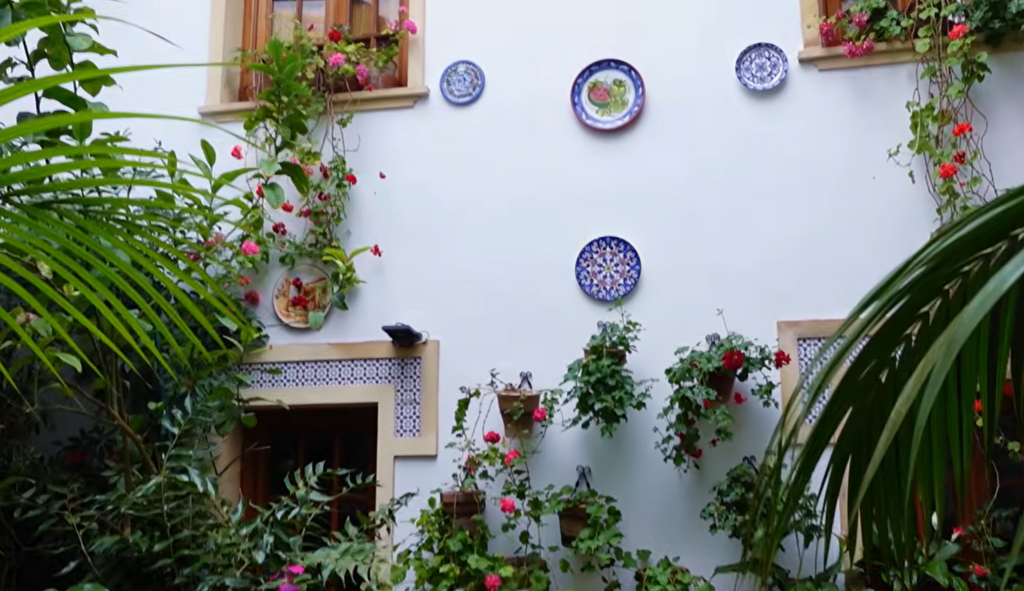
Córdoba is famous for summer heat. The traditional courtyard design helped residents cope with it. Thick walls, shaded galleries, fountains, tiled floors, plants and a central open-air space all contributed to a cooler, more comfortable home.
Water and greenery are not there only to look pretty. A fountain or well could provide water. Plants offered shade, scent and moisture. The courtyard created ventilation and gave families a communal area away from the harshest sun.
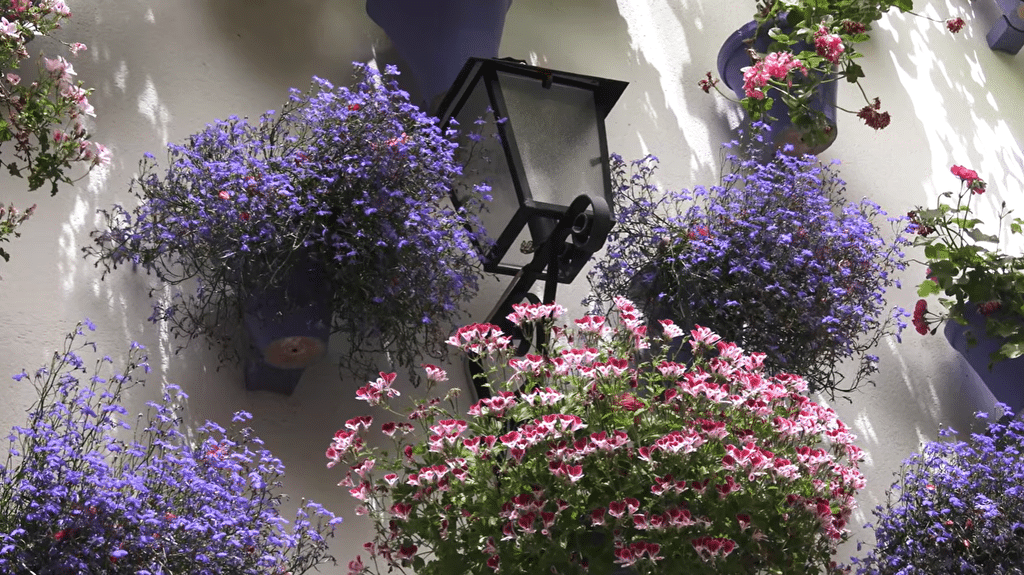
The style has roots in Roman domestic architecture and was later influenced by Islamic design during Al-Andalus. Over time, Córdoba developed its own distinctive courtyard culture: whitewashed walls, terracotta pots, cascading flowers, iron balconies and narrow entrances that reveal far more than they promise from the street.
The result is one of the most recognisable images of Andalucía. Yet the most important thing to remember is that these are not stage sets. They are homes, shared spaces and neighbourhood traditions.
Why San Basilio Is the Heart of the Córdoba Patios
If you only have time to explore one patio neighbourhood, make it San Basilio.
Known locally as Alcázar Viejo, the area sits just behind the Alcázar de los Reyes Cristianos, on the western side of Córdoba’s historic centre. It is close enough to the major monuments to reach easily on foot, but it often feels calmer than the busiest lanes around the Mezquita and the Judería.
This is the traditional heartland of the Córdoba patio.
The streets are narrow, whitewashed and full of quiet corners. You will find flower-filled façades, small squares, old doorways and the sense that this part of the city has held onto its everyday character. During the Patio Festival, San Basilio becomes one of the main places to see the full spectacle. Outside May, it remains the best area for visitors hoping to find courtyards that are accessible year-round.
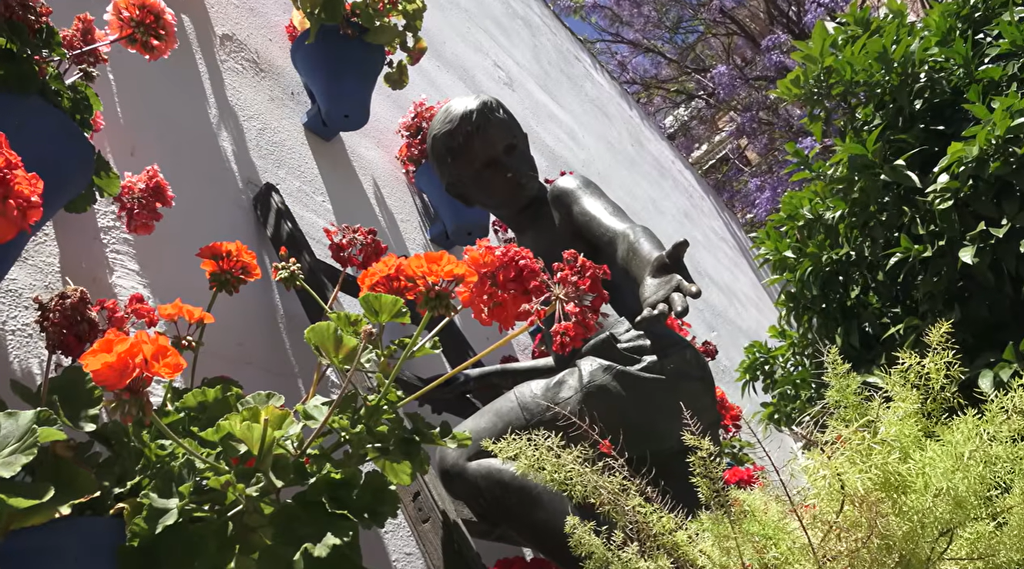
Calle San Basilio is the neighbourhood’s natural spine. Walk it slowly. Look through open gates. Notice the small signs, the hand-painted tiles, the plants climbing the walls and the way the street opens suddenly into hidden entrances.
It is easy to rush through San Basilio on the way to somewhere else. Do not.
The pleasure of the area lies in its pace. This is a part of Córdoba that rewards wandering rather than ticking off landmarks.
San Basilio, Alcázar Viejo and the Judería
Visitors often see these names used interchangeably, but they describe slightly different parts of central Córdoba.
The Judería is the city’s historic Jewish Quarter, the maze of narrow streets around the Mezquita-Cathedral, Calleja de las Flores and the old synagogue. It is beautiful, atmospheric and understandably popular.
San Basilio, or Alcázar Viejo, lies beside it, closer to the Alcázar and the old western walls. It has a different feel: more residential, more patio-focused and generally less hectic once you move away from the main routes.
For a visitor, the distinction is useful. The Judería is where you go for the big sights and famous lanes. San Basilio is where you go to slow down and see the courtyard tradition in its natural setting.
The Festival de los Patios de Córdoba
The Festival de los Patios de Córdoba, also known as the Fiesta de los Patios, is the event that brings the city’s courtyard culture to the world’s attention.
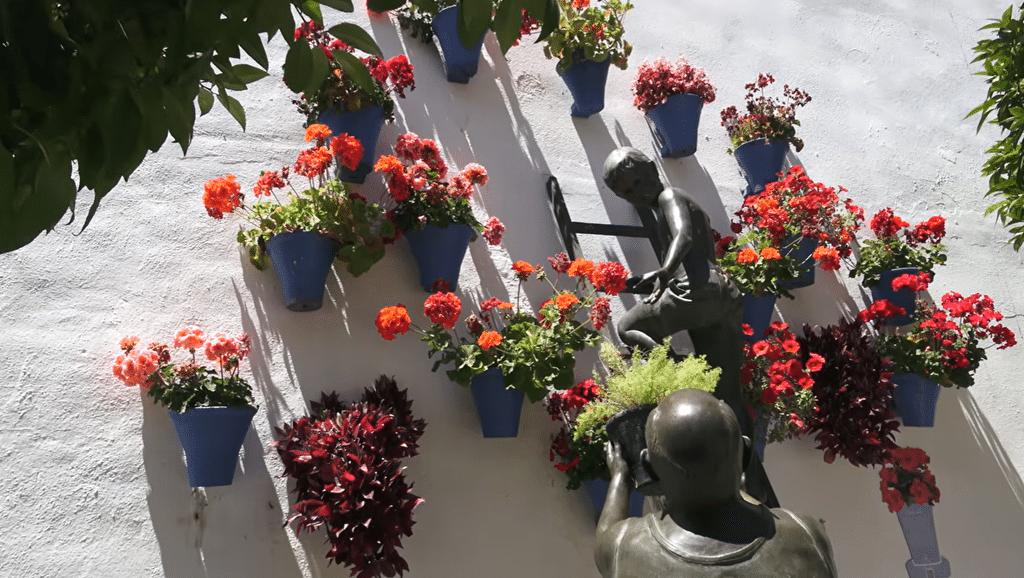
Every May, residents open selected patios to the public. Many take part in an official competition, preparing their courtyards with extraordinary care. Pots are replanted, walls are painted, flowers are tended and every detail is considered.
The City Council has organised a courtyard competition since 1921, but the tradition itself is much older. What makes the festival special is that it remains rooted in local participation. The people opening their doors are often the residents, families, caretakers and associations who have maintained these spaces over generations.
During the festival, visitors are invited into courtyards that would otherwise remain private. You might find an elderly resident sitting in the shade, a neighbour explaining the history of a house, a guitarist playing nearby or a queue forming quietly outside a particularly famous doorway.
There is a competitive element, but this is not simply a flower show.
The patios represent a living relationship between people and place. Their beauty comes from care, repetition and pride. A pot of geraniums has to be watered. A courtyard has to be swept. Walls need repainting. A fountain needs maintaining. The festival may last a couple of weeks, but the work behind it carries on throughout the year.
When Is the Córdoba Patio Festival?
The Patio Festival normally takes place in the first half of May, as part of the city’s packed spring calendar.
Exact dates change each year and should always be checked before booking travel. The official 2026 edition ran from 4 to 17 May, with the city opening competing patios and a broader programme of cultural activities.
For 2027, the festival is expected to take place in early May, but the final official dates, participating patios and opening times should be confirmed through Córdoba’s official Patio Festival information closer to the event.
If you want the full experience, May is undoubtedly the best time to visit. The patios are at their most colourful, more homes are open and the whole city feels as though it is celebrating outdoors.
It is also one of Córdoba’s busiest months.
Hotels fill early, temperatures begin climbing and the most popular patios can attract queues. If you are planning a May trip, book accommodation well in advance and avoid trying to see everything in one rushed afternoon.
Are the Córdoba Patios Free to Visit?
During the official Patio Festival, entry to the participating patios is generally free.
That is one of the reasons the event feels so special. You are not moving through a commercial attraction with a ticket barrier at every entrance. You are being welcomed into places that are part of the city’s living fabric.
Some patios may have donation boxes, and there are year-round patios or organised visits that may ask for a small charge. If an owner, association or resident is giving their time and sharing a private space, a modest donation is always a good gesture.
The simple rule is this: treat the patio as somebody’s home, not a photo studio.
Speak quietly. Do not touch plants, pots or fountains. Let people pass. Keep bags close. Avoid blocking entrances while taking pictures. And remember that a courtyard may be beautiful because someone has spent a great deal of time looking after it.
Can You Visit Córdoba Patios Outside the May Festival?
Yes, but expectations need to be realistic.
The full Festival de los Patios is a limited annual event. Most of the competing courtyards are private homes and do not open to casual visitors throughout the year. That is entirely understandable. Residents cannot live permanently inside a tourist attraction.
However, San Basilio offers one of the best chances to see authentic Córdoba patios outside the main festival period.
Several courtyards along Calle San Basilio may be accessible year-round, sometimes free of charge and sometimes through a small donation or organised visit. The availability of individual patios can change, so it is always wise to check locally when you arrive rather than relying on an old online list.
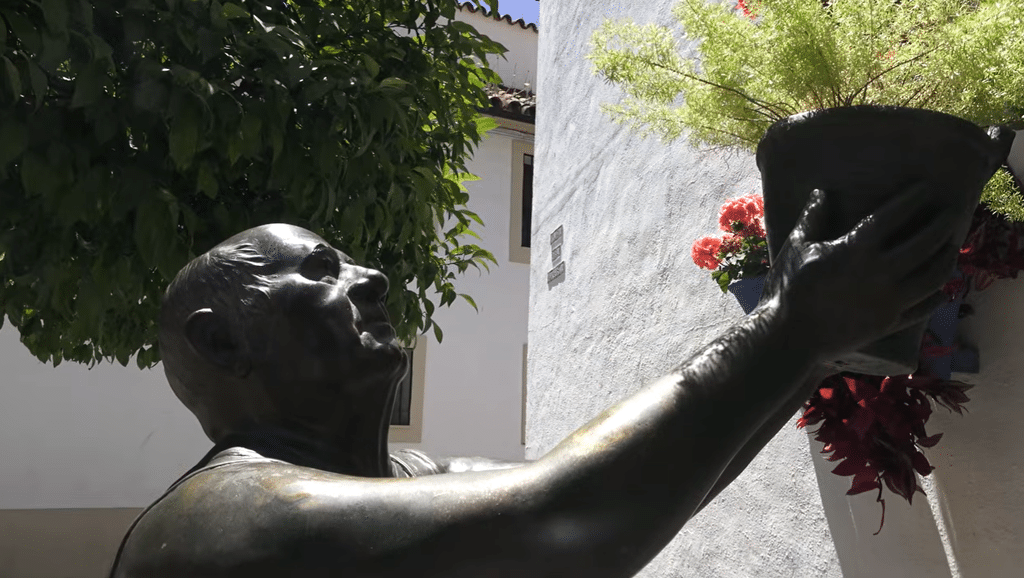
One of the best-known places is the headquarters of the Asociación Amigos de los Patios Cordobeses at Calle San Basilio 44. The association has long worked to preserve and promote the city’s patio tradition, and the site is a useful starting point for visitors who want to understand the culture behind the flowers.
Outside May, you may also want to consider the Palacio de Viana, which has a remarkable collection of twelve courtyards. It is a different experience from entering private homes in San Basilio, but it gives a deeper understanding of how patios appear across different periods and social settings in Córdoba.
The key is to see the year-round visit as a quieter alternative, not a reduced version of the festival.
You may see fewer patios, but you will often enjoy the neighbourhood at a gentler pace. There is more time to notice the streets, sit for a coffee, take photographs without crowds and understand how these courtyards fit into the life of the city.
A Walking Route Through San Basilio
San Basilio is compact enough to explore on foot without a strict itinerary. Still, a simple route helps you avoid missing the character of the area.
Start at the Alcázar de los Reyes Cristianos
Begin near the Alcázar, one of Córdoba’s most important historic sites. Even if you are not visiting the palace itself, the surrounding streets provide a natural gateway into Alcázar Viejo.
From here, move towards Calle San Basilio. The change in atmosphere is noticeable. The grand monument zones give way to low white houses, quieter lanes and the lived-in detail that makes this neighbourhood so appealing.
Follow Calle San Basilio Slowly
This is not a street to rush.
Look for courtyard entrances, tiled signs and flower-covered façades. In festival season, this is one of the main arteries of the route. Outside the festival, it is still where you are most likely to find the patios that welcome visitors.
The street is also a good place to pause and simply observe. Córdoba’s patio culture is not limited to the interiors. The outer walls, pots, small windows and doorways are part of the same visual language.
Wander the Side Streets
Take the narrow side streets around San Basilio and Martín de Roa without worrying too much about getting lost. This is where the neighbourhood feels most intimate.
You may come across a tiny square, a local bar, a doorway filled with plants or a view of the city walls. Keep your camera ready, but do not turn the whole walk into a hunt for photographs. The best moments often arrive when you are not looking for them.
End Near the Old Walls or Riverside
From San Basilio, you can continue towards the old city walls, the Roman Bridge, the river or back towards the Judería. It is a natural route for combining the patios with other parts of Córdoba’s historic centre.
If the weather allows, finish late in the afternoon. Córdoba’s light softens beautifully as the day goes on, and the white walls of San Basilio begin to glow.
Tips for Visiting the Córdoba Patios
A little planning makes the experience much better, particularly during May.
Go Early or Late
The official festival often has a midday break, with patios opening in the morning and again in the early evening. The first hour after opening or the later part of the evening can be more comfortable than the busiest middle of the day.
Córdoba can be extremely hot, even in May. Wear comfortable shoes, carry water and do not underestimate the heat simply because you are exploring shaded lanes.
Do Not Try to See Everything
There can be dozens of patios in the official programme, spread across several districts. Trying to visit them all in one day can turn a lovely experience into a queue-hopping exercise.
Choose a neighbourhood, see a manageable number and leave time to enjoy the city around them. San Basilio is ideal for this because the patios, streets and nearby Alcázar all fit naturally into a relaxed walk.
Respect the Residents
This matters more than any practical tip.
The patios are not theme-park attractions. They are often homes, shared buildings or community spaces. Keep your voice down, do not enter closed areas, do not lean on fragile objects and do not treat the residents as part of the display.
A warm gracias goes a long way.
Expect Queues at the Famous Patios
Some patios are well known for a reason. They are spectacular, photogenic and often featured in guides and social media posts. During peak periods, queues are inevitable.
Use the waiting time to look around. Chat quietly with other visitors. Notice the detail of the street. And if the line is too long, move on. Córdoba has more than one beautiful courtyard.
Check Accessibility in Advance
Many traditional patios are reached through narrow entrances, uneven surfaces or steps. Visitors with reduced mobility, pushchairs or wheelchairs should check official access information and select suitable locations before setting out.
The city’s historic beauty comes with historic constraints, so a little advance planning can prevent disappointment.
The UNESCO Story: Why the Patios Matter
The Fiesta de los Patios de Córdoba was added to UNESCO’s Representative List of the Intangible Cultural Heritage of Humanity in 2012.
That wording is important.
UNESCO did not simply recognise a collection of attractive buildings. It recognised the living practice around them: the knowledge passed between neighbours, the annual work of caring for plants and spaces, the social life of shared courtyards and the community effort that makes the festival possible.
The patio tradition survives because people continue to care about it. This is one of several UNESCO sites here in Spain, all worth a visit.
Residents exchange cuttings, advice and practical help. Associations protect old properties. Families prepare for the festival. Neighbours share tables, stories and responsibilities. Even outside May, the courtyards remain part of a social culture rather than a frozen piece of heritage.
That is why San Basilio feels different from a museum quarter. It is historic, but it is not only historical.
The best way to appreciate the patios is not to rush from one to the next. It is to understand that you are being allowed into a private world shaped by generations of people who made beauty part of everyday life.
Why Córdoba’s Patios Are More Than a May Event
The Patio Festival is rightly famous, and May in Córdoba is unforgettable. But the city’s courtyards should not be thought of as a two-week attraction.
They are a clue to how Córdoba works.
They explain why its old streets are so narrow, why its houses are inward-looking, why water and shade matter so much and why neighbours have historically relied on shared spaces. They show the meeting point between Roman planning, Islamic influence, Andalusian climate and modern community life.
Visit in May and you will see the patios at their most extravagant. Visit outside May and you may find a quieter, more personal connection to the same tradition.
Either way, begin in San Basilio.
Walk without a timetable. Look beyond the obvious streets. Step through an open doorway when invited. And give yourself enough time to understand why a simple courtyard of plants, tiles and water can say so much about a city.


