Which are the best food in Seville dishes that visitors must experience?
Spain’s rich history and cultural influences have led to the birth of a unique Spanish gastronomy, with thousands of recipes and flavors. Its roots are Mediterranean and fish and seafood are the basic ingredients for Spain food. Once you have enjoyed the tourist attractions, look at the food options.
Daily meals are still traditionally prepared from fresh ingredients purchased from local open-air markets. This practice, however, is more common in rural areas than in cities, where supermarkets have replaced traditional markets.
Get your rental car or a cab and head into the city centre.
Spanish traditional cooking often revolves around outdoor grill, in a brick or clay oven.
Tapas in Seville
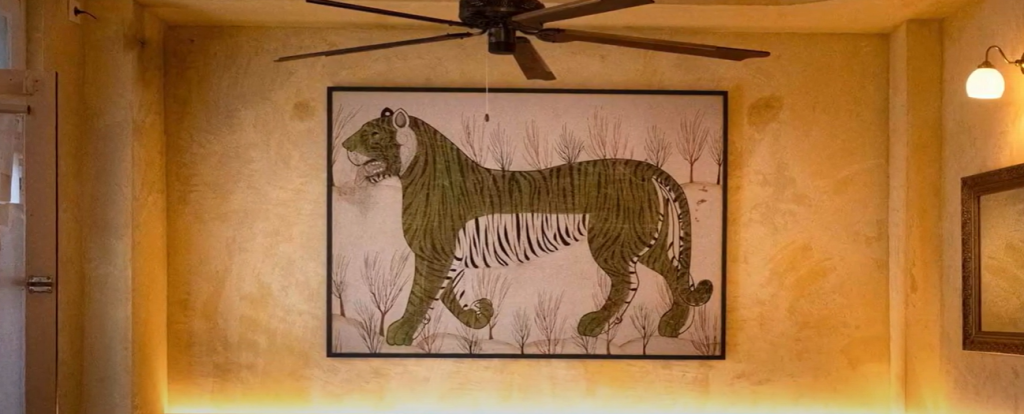
Seville is a playground for lovers of gastronomy. There are restaurants, bars and cafes at every step, where they serve typical Andalusian dishes and drinks. Seville is a city where a genuine phenomenon was born and it crossed the borders of Spain itself: it is called tapas. Try Restaurante casa del tigre if you are in the area!
Tapas are small bites of snacks sold (or even offered for free) to go with the drinks in Spain’s restaurants and other eating places. They can be served either plain, as snacks, or combined, in order to form a complete menu, and in some parts of Spain they are included in the price of the drinks. In Seville, tapas are “upgraded” to larger rations, the equivalent of a “media ration”.
Popular Food In Seville
Carrillada De Cerdo: Braised pork cheeks cooked until they melt in your mouth and typically served in a rich red wine or tomato-based sauce. It’s so good, I have to keep myself from ordering it every time. Pork cheek is one of Seville’s most traditional stewed meats, and that means it’s pretty easy to find in tapas bars around town. Usually cooked in a simple wine reduction, some cooks also add carrots, cloves, and garlic to the mix.
A good carrillada (sometimes also called carrillera) should be tender and full of flavor, and it’s best accompanied by a big glass of red wine.
Rabo Del Toro: A slow-cooked stew made with ox-tail braised in red wine that is deeply savory and tender. The fragrant spices hit first and lingers long after you’ve tried to pick every piece of meat off the bone.
Solomillo Al Whisky: A popular Sevillian dish of succulent pork tenderloin served with a tangy whisky-garlic sauce and often with crispy potatoes. You’ll find this in practically every tapas bar and many will claim theirs is the best. The origins of Seville’s popular whiskey sauce are a bit confusing. Nobody is quite sure how it originated before it started popping up on bar menus throughout Seville in the 1970s.
Regardless, the sauce has evolved to one of the city’s most famous. Whiskey, garlic, and olive oil combine to create one of the best glazes for grilled pork loin ever invented. This dish is an absolute must-try when visiting Seville.
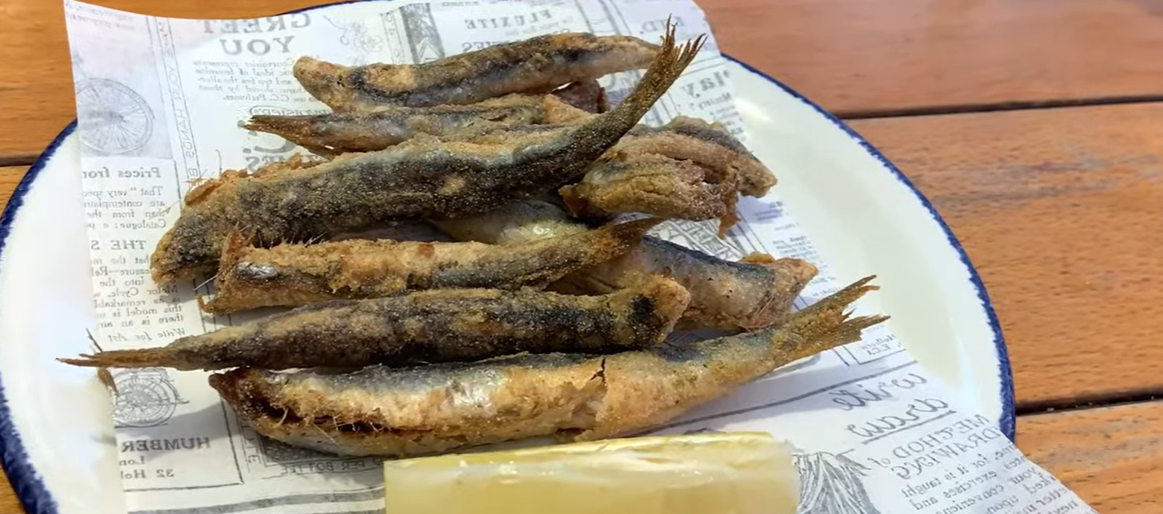
Boquerones: Deep fried anchovies, light salted and eaten whole. They are usually quite small and come served in a paper cone like fries. Extremely addictive, especially with a cold beer. if you have followed my pages for any time, you will know how much I love boquerones either fried like these or just in vinegar.

Alcachofa A La Plancha: Grilled artichokes are popular in the region and you can find it served simply with lemon, garlic and olive oil or paired with jamon or shrimps.
Lentejas: A comforting lentil stew with chunks of chorizo and vegetables. It’s a warm and hearty dishes in the cooler months, but I enjoy it anytime of the year with a good chunk of bread. Spanish lentejas are the ultimate winter comfort food. They’re delicious, easy to make, and warm you up like nothing else on a chilly day. Add in some excellent Spanish chorizo for a bit of heat and some protein, and you’ve got one of the best typical foods in Seville to enjoy all winter long.
Espinacas Con Garbanzos: Another traditional Sevillian tapa. This vegetarian dish combines sautéed spinach with chickpeas and seasoned with spices like cumin and paprika for a simple but tasty dish. Deep in flavours, this is delicious.

Salmorejo: Thicker and creamier than gazpacho, salmorejo also eschews the diverse array of vegetables present in the former and makes the tomato the star of the show. Despite its rich texture, the soup itself is actually completely vegan. It gets its creaminess from a mixture of bread and extra virgin olive oil. A thicker, creamier cousin to gazpacho, this cold soup is made from puréed tomatoes, stale bread, olive oil, and garlic. It’s refreshing on its own, but can be a heartier meal when topped with jamon and diced boiled eggs.

Huelva Shrimps: Delicate and sweet shrimps from the nearby Huelva coast that are often grilled, steamed or boiled. It only needs a sprinkle of course sea salt to bring out its flavours. With the sunny Spanish coast just over an hour away, Seville has access to some of the best seafood in Spain. Case in point: fresh white shrimp from Huelva, which, when boiled, make for an absolutely perfect seafood tapa.
Shrimp in Spain are traditionally served shelled, so you’ll have to peel them yourself before eating. But that little bit of effort is well worth it when you bite into the succulent, flavourful shrimp that needs nothing more than a sprinkle of sea salt to truly shine. Like the deep fried boquerones, this is a perfect pairing for a light cold beer.
Other Andalusian Traditional Dishes
- Another specific dish is Andalusian gapacho. Gapacho is a soup made of tomato puree, which is served cold, with ice.
- Churro is a sweet pastry product, fried in oil and sometimes called Spanish donut. It is usually served together with a cup of thick, hot chocolate. Cinnamon is churro’s typical aroma; this donut is served with powdered sugar.
- Paella are appetizer plates, accompanied by a glass of wine. In Seville you can find all types of paella, from the simplest variants, with ham, sausages, cheese, to the finest delicacies with fish, shrimp, octopus and seafood; paella is served with traditional sauces.
Among the many recipes included in the Andalusian cuisine, we can also mention tortilla de patata (potato omlet), fabada asturiana (bean stew), migas (a day-old bread with garlic and pimento – smoked paprika and olive oil), mariscos (sea fruit), lechazo asado (fried lamb), and chuletillas (grilled lamb).
Final Thoughts
It’s easy as a visitor to head towards the popular restaurants along the sea front, the strip or the high street, usually full of tourists. Take a walk a couple of streets back and find where the Spanish are eating and drinking.


