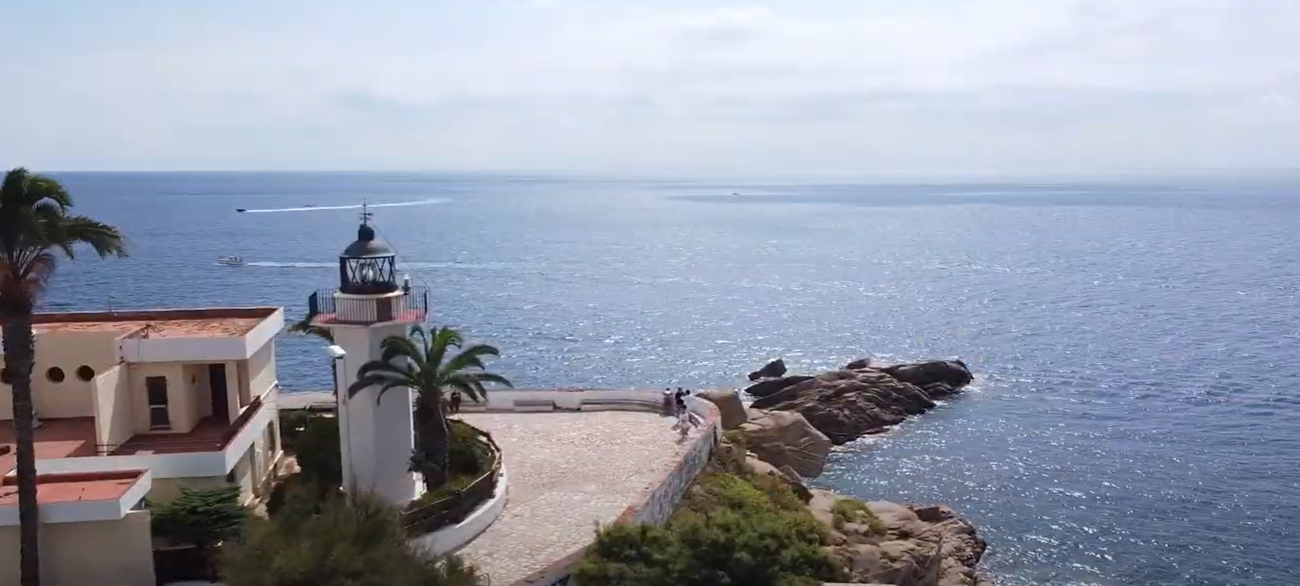
Tucked away on the Costa Brava’s middle stretch, Palamós is a proper gem that’s managed to dodge the worst excesses of mass tourism whilst still offering everything you’d want from a Mediterranean coastal town. With its working fishing port, pristine beaches, and a history that reads like a Game of Thrones script (minus the dragons), this town of 18,000 souls punches well above its weight.
I’ve been banging on about Palamós for years, and for good reason. It’s got that magical combination of authenticity and accessibility that makes it perfect for both day trips and longer stays. Whether you’re after world-class seafood, secluded coves, or simply want to soak up some proper Spanish coastal culture, Palamós delivers in spades.
What Makes Palamós Special
The Prawns That Put It on the Map
Let’s start with the obvious – everyone’s heard of Gambas de Palamós. These aren’t just any old prawns; they’re the Rolls-Royce of Mediterranean crustaceans. Deep-sea trawlers bring them in fresh daily, and the local restaurants know exactly what to do with them. The secret? The prawns are caught in the deep Mediterranean waters off the continental shelf, giving them a sweetness and texture that’s simply incomparable.

A Working Port with Soul
Unlike many Costa Brava towns that have gone full tourist-mode, Palamós maintains its identity as a proper fishing port. The morning fish auction is still a thing, the boats still head out at dawn, and the local economy doesn’t completely collapse come October. It’s this authenticity that makes the place special.
Strategic Location
Palamós sits perfectly positioned for exploring the wider Costa Brava. You’re within easy reach of the medieval villages of Pals and Peratallada, the stunning beaches of the Empordà, and the artistic heritage of the region. Yet it’s substantial enough to keep you occupied for days without venturing beyond its boundaries.
A Brief History (The Dramatic Version)

Ancient Beginnings
The area’s been inhabited for over 5,500 years, with dolmens scattered across the hills and Iberian settlements dating back to the 6th century BCE. The remains of one such settlement can still be seen overlooking Platja Castell, whilst the medieval castle at La Fosca Beach was built on top of Roman villa ruins.
The Birth of Palamós (1279)
King Pere el Gran of Aragón founded Palamós (originally called Palamors) on 3 December 1279. He needed a new port after the existing one on the River Ter had silted up, and the deep natural harbour here was perfect for his expanding trade with Sicily. The founding charter guaranteed that settlers could live “free from any servitude” – a promise that would prove important later.
Pirates, Raids, and Redbeard
The town’s strategic importance made it a target. The most dramatic attack came in 1543 when the Ottoman pirate Barbarossa (Redbeard) arrived with over 20 ships. His forces breached the town walls, killed the defenders, and spent two days systematically destroying everything they could find. Both churches were burned, houses demolished, and the population scattered. The devastation was so complete that Pope Paul III had to intervene to aid recovery.
Wars Upon Wars
Palamós changed hands more times than a dodgy second-hand car. The Thirty Years’ War, the Franco-Spanish War, the War of Spanish Succession, the Napoleonic Wars – each brought fresh destruction. The town walls were built and rebuilt, bastions erected and demolished, and the population fluctuated wildly depending on which army was in residence.
The Cork Boom
The mid-1800s brought prosperity through cork production. French descendants established workshops producing cork stoppers for champagne and wine bottles, taking advantage of the vast cork oak forests in the region. At its peak, the industry employed around 4,000 people, making the Baix Empordà a worldwide reference point for cork production.
Modern Times
Tourism gradually replaced fishing as the main economic driver from the 1960s onwards, though thankfully the development was more restrained than in other parts of Spain. Today, Palamós maintains its character as both a working port and a holiday destination.
When to Visit Palamós
Summer (June-August)
The peak season brings guaranteed sunshine, warm seas, and a lively atmosphere. Temperatures hover around 25-30°C, perfect for beach days and evening strolls. The downside? Crowds, higher prices, and the need to book everything in advance. The town absolutely buzzes with activity – restaurants stay open late, there’s live music in the squares, and the beaches are at their most sociable.
Spring (April-May)
My personal favourite time to visit. The weather’s warming up nicely (18-23°C), the Easter crowds have dispersed, and everything’s opening up after winter. The countryside is green and wildflowers are blooming. Perfect for hiking, cycling, and exploring without the summer heat.
Autumn (September-October)
September is brilliant – the sea’s still warm from summer, the crowds have thinned, and the light takes on that magical Mediterranean quality. October can be glorious too, though you’ll need to check restaurant opening times as some places start their winter breaks.
Winter (November-March)
Don’t write off winter entirely. Many restaurants and attractions close, but the ones that remain open often offer their best value. The weather’s mild (12-16°C), perfect for hiking and exploring inland. Plus, you’ll have the place largely to yourself – very romantic if you’re that way inclined.

Getting to Palamós
By Car
The most flexible option. Take the AP-7 motorway to junction 6 (Girona Nord), then follow the C-31 coast road. From Barcelona, it’s about 1 hour 45 minutes. From the French border, allow 45 minutes. The coastal route via Tossa de Mar is prettier but takes longer.

By Bus
SARFA buses run regular services from Barcelona (2 hours), Girona (1 hour), and other Costa Brava towns. I’d check the Omio website for times and tickets. The bus station is centrally located, making it convenient for onward travel.
By Air
Girona-Costa Brava Airport is 45 minutes away and serves numerous European destinations. Barcelona Airport is 1 hour 45 minutes but has more flight options. Both have good bus connections to Palamós.