Perched high above the Mediterranean, Frigiliana is often called one of the most beautiful villages in Spain — and for good reason. From its winding cobblestone lanes and flower-filled balconies to its Moorish architecture and mountain views, there’s no shortage of Things To Do In Frigiliana Spain. Whether you’re exploring the old town’s historic quarters, sampling local wine, or hiking through the surrounding Sierras, this charming white village offers an unforgettable blend of culture, nature, and Andalusian authenticity.
Table of Contents
Situated dramatically on a mountainside in southern Spain’s Andalusia region, Frigiliana is the kind of place that makes you reach for your camera before you’ve even properly arrived. With its cascade of immaculate white houses tumbling down the hillside, narrow cobbled streets, and spectacular views stretching to the Mediterranean Sea, this pueblo blanco (white village) consistently ranks among Spain’s most beautiful settlements—and rightly so.
Just 7 kilometres inland from the coastal town of Nerja and about an hour’s drive from Málaga, Frigiliana offers a perfect escape from the more tourist-heavy Costa del Sol. Despite its growing popularity, it retains an authentic charm that’s increasingly rare in southern Spain.
As someone who’s spent considerable time wandering its steep, mosaic-paved streets, I can tell you that Frigiliana rewards those who linger. So let’s explore this enchanting Andalusian gem together, shall we?
When to Visit Frigiliana
Timing your visit to Frigiliana requires some consideration, as the seasons here offer dramatically different experiences. It’s worth checking the weather accordingly.
Spring (March to May) might just be the perfect time to visit. The surrounding countryside bursts into bloom, temperatures hover pleasantly between 18-25°C, and the summer crowds haven’t yet descended. April particularly shines, with almond blossoms dotting the hillsides and clear days offering spectacular views to the Mediterranean.
Summer (June to September) brings reliable sunshine and hot temperatures that frequently exceed 30°C. While the heat can be intense during midday, the village’s elevation provides some relief compared to the coastal resorts. August sees Spanish holidaymakers arrive in numbers, particularly around the August 15th public holiday. The village hosts its renowned Three Cultures Festival in late August, which, while brilliant fun, does mean accommodation becomes scarce and prices rise.
Autumn (October to November) offers a delightful sweet spot—fewer tourists, temperatures still warm enough (typically 18-22°C) for outdoor dining, and occasionally dramatic skies that photographers will adore. The olive harvest begins in late autumn, adding authentic agricultural activity to the surrounding countryside.
Winter (December to February) shows a different side of Frigiliana. Many businesses reduce their hours or close entirely, but you’ll experience the village at its most authentic, when locals reclaim their streets. Daytime temperatures usually remain mild (12-16°C), but evenings can be chilly, and rainfall is more common. Pack layers and expect restaurants to be less focused on outdoor seating.
My preference? Early October, when the summer heat has subsided, most establishments remain open, and you can wander the steep streets without breaking into a sweat or dodging tour groups.
Getting to Frigiliana
For international visitors, flying into Málaga Costa del Sol Airport is the most convenient option. From there, you have several choices:
By Car: Renting a car offers the most flexibility for exploring both Frigiliana and the surrounding region. The drive from Málaga Airport takes approximately one hour via the A-7 coastal motorway and then the N-340 towards Nerja, before heading inland on the MA-5105. Be prepared for narrow, winding roads as you approach the village, and know that parking can be challenging during peak periods. The municipal car park at the village entrance charges a reasonable daily rate.
By Bus: Public transport is more limited but manageable. First, take a bus from Málaga to Nerja (ALSA operates this route frequently), then change to the local Nerja-Frigiliana bus. The local bus runs approximately once per hour during weekdays but has a reduced schedule on weekends. The journey from Nerja to Frigiliana takes about 15 minutes and offers spectacular views as you climb into the hills.
By Taxi: A taxi from Málaga Airport to Frigiliana will cost around €70-80, while a taxi from Nerja is more reasonable at about €12-15.
Once you’ve arrived in Frigiliana, you’ll find that the village itself is best explored on foot. The historic centre is pedestrianised, with stepped streets and narrow passages that no vehicle could navigate anyway. Comfortable walking shoes are absolutely essential—the village’s charm comes partly from its vertical nature, which means you’ll be climbing numerous steps and steep inclines.
Travelling across Europe by bus? Omio helps you find the best routes, compare prices, and book tickets easily — all in one place.Looking For Bus Tickets In Europe? We recommend Omio.
The Historic Centre: Barrio Mudéjar
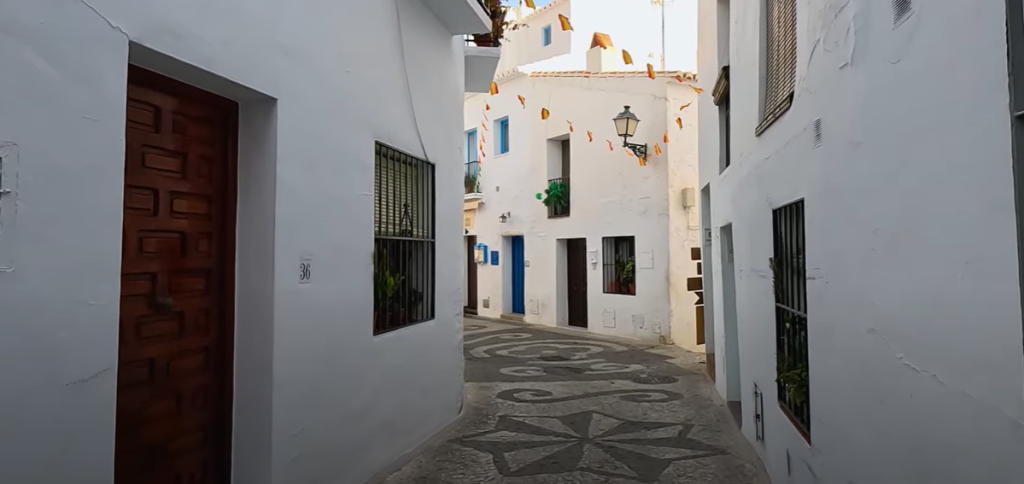
The jewel in Frigiliana’s crown is undoubtedly its historic Moorish quarter, known as the Barrio Mudéjar. This ancient neighbourhood features a labyrinth of narrow cobbled streets, whitewashed houses adorned with colourful flower pots, and unexpected plazas offering breathtaking views.
Start your exploration at Plaza de la Iglesia, home to the 16th-century Church of San Antonio. While the church itself is relatively modest by Spanish standards, it provides an excellent reference point for navigating the village.
From here, simply wander upwards through the maze-like streets. The real joy of Frigiliana comes not from ticking off specific sights but from the discovery process itself. Every twist and turn reveals new vistas, charming corners, and photogenic scenes.
Look out for the distinctive ceramic tiles (azulejos) embedded in walls throughout the old town, depicting scenes from when the village was a battleground between Moorish inhabitants and Christian conquerors. These 12 tiles tell the story of the 1569 rebellion and subsequent defeat of the Moors, forming a historical narrative trail you can follow.
As you explore, you’ll notice that many houses feature a blue circle near their doors—this indicates they’ve won a “house beautiful” award in the village’s annual competition. The locals take immense pride in their properties, and it shows.
For the best photos, arrive early in the morning or wait until the golden hour before sunset. The village’s east-facing aspect means morning light illuminates the whitewashed buildings beautifully, while evening brings a warm glow to the countryside beyond.
During my last visit, I struck up a conversation with an elderly local who’d lived in the same house for over 70 years. “Frigiliana has changed,” he told me with a philosophical shrug, “but the stones remember.” It was a poetic reminder of the village’s ancient roots despite its more recent discovery by tourism.
Panoramic Viewpoints: Worth Every Step
Frigiliana’s elevated position means spectacular viewpoints abound, but you’ll need to work for the best ones.
El Torreón: For the most impressive panorama, climb to the ruins of this old fortress at the village’s highest point. The path is well-marked but steep, involving several flights of stairs. Your reward is a 360-degree vista encompassing the village below, the Mediterranean Sea stretching to the horizon, and the rugged mountains of the Sierra de Almijara behind. On clear days, you might even glimpse the distant shores of North Africa.
Mirador del Castillo: This more accessible viewpoint still offers stunning views without quite as much exertion. Located near the upper part of the village, it provides excellent photo opportunities of the whitewashed houses cascading down the hillside.
Plaza de las Tres Culturas: This charming square not only offers lovely views but also pays tribute to the three cultures—Christian, Muslim, and Jewish—that shaped Frigiliana’s history. Look for the small fountain with three water spouts symbolising this cultural heritage.
When visiting these viewpoints, take water and sun protection—the Spanish sun can be fierce, especially when you’re exerting yourself on those steep inclines. Early morning or late afternoon visits provide the best combination of pleasant temperatures and flattering light for photographs.
Culinary Delights: Beyond Typical Tourist Fare
Frigiliana’s dining scene has evolved considerably in recent years, balancing traditional Spanish cuisine with more international offerings. While you’ll find the expected tourist-oriented restaurants on the main thoroughfares, venture just slightly off the beaten path for more authentic experiences.
Must-Try Local Specialities
Miel de Caña (Cane Honey): Frigiliana is famous for this molasses-like syrup produced from sugar cane at the village’s historic sugar mill, the last functioning one in Europe. The syrup has a rich, complex sweetness and is used in both sweet and savoury dishes. The factory itself (El Ingenio) can be visited, where you’ll learn about the traditional production methods.
Local Wines: The hills around Frigiliana produce excellent sweet Muscatel wines. Many restaurants serve these local varieties, and you can purchase bottles directly from bodegas in and around the village. Look particularly for wines from Bodegas Bentomiz, located just outside Frigiliana, which offer fascinating tours and tastings.
Cherimoyas: This unusual subtropical fruit (also called custard apple) grows in the valleys below Frigiliana. With a flavour somewhere between banana, pineapple, and strawberry, it’s worth trying when in season (autumn to early spring).
Restaurant Recommendations
El Jardín: Tucked away on Calle San Sebastián, this restaurant offers Mediterranean cuisine with creative touches. The garden terrace provides a delightful setting for dinner on warm evenings.
The Garden Restaurant: Despite the somewhat generic name, this place serves excellent food with spectacular views from its terrace. Reservations recommended, especially for terrace tables at sunset.
Bar El Acebuchal: For a unique experience, drive (or hike) to the restored hamlet of El Acebuchal about 6km from Frigiliana. This entire village was abandoned after the Spanish Civil War and only restored in the late 1990s. The restaurant serves traditional mountain cuisine like wild boar stew and homemade bread baked in wood-fired ovens.
La Bodeguilla: This tiny tapas bar serves some of the village’s most authentic food. Try the berenjenas con miel (fried aubergine drizzled with cane honey)—a perfect blend of local flavours.
For a casual lunch, consider picking up ingredients for a picnic at the village’s small market or grocery stores. The olive oils, local cheeses, and freshly baked bread make for a simple yet delicious meal enjoyed at one of the village’s scenic viewpoints.
Beyond the Village: Natural Splendours
While Frigiliana itself could easily occupy a day or two of contented wandering, the surrounding natural landscape beckons exploration.
Sierra de Almijara Hikes
The village sits at the edge of the Sierra de Almijara Natural Park, offering hiking opportunities ranging from gentle walks to challenging full-day treks.
Río Higuerón Route: This relatively easy 5km circular trail follows the Higuerón River through lush countryside. The path is well-marked and offers refreshing river pools for cooling off in warmer months.
El Fuerte: For more serious hikers, the trail to El Fuerte (the fortress) presents a challenging but rewarding day hike. The 16km round trip climbs through pine forests to the ruins of an ancient Moorish fortification, with spectacular views throughout. Start early in the morning and carry plenty of water, especially in summer.
El Acebuchal: The “lost village” mentioned earlier can be reached via a beautiful hike through the countryside. The 12km round trip takes you through varied terrain and rewards you with a meal at the village restaurant before returning.
For any hiking, proper footwear is essential—the terrain is rocky and often steep. In summer, hike only in early morning or evening hours to avoid dangerous midday heat.
Discover unforgettable experiences with Viator — from city tours and cultural excursions to wine tastings and scenic boat trips worldwide.For walking tours, bus tours, wine tasting, sunset boat trips and much more, check out Viator
Nearby Beaches
When the mountain heat becomes too much, the Mediterranean beckons just a short drive away.
Playa de Burriana: Nerja’s main beach offers golden sand, clear water, and plentiful facilities. It gets busy in summer but provides an accessible option for a beach day.
Maro Beaches: For a more natural experience, head to the coves around the village of Maro, about 10 minutes’ drive from Frigiliana. These smaller beaches are set against dramatic cliffs and often much less crowded. Playa de Maro in particular offers excellent snorkelling opportunities.
Cantarriján: A bit further afield (about 25 minutes by car) lies this beautiful beach within the Maro-Cerro Gordo Natural Park. Its more remote location keeps crowds at bay, and the eastern section is officially nudist for those looking to avoid tan lines.
Festivals and Events: Timing Your Visit
Frigiliana’s calendar features several festivals worth planning your trip around:
Three Cultures Festival (Festival de las Tres Culturas): Held in late August, this four-day celebration honours the village’s mixed Christian, Muslim, and Jewish heritage. The streets come alive with music performances, craft markets, food stalls, and historical reenactments. It’s a magical time to visit, though accommodation needs booking well in advance.
San Antonio Festival: Celebrated around June 13th, this festival honours the village’s patron saint with processions, music, and dancing in the streets.
Holy Week (Semana Santa): Like much of Spain, Frigiliana observes Holy Week with solemn processions and religious ceremonies. While less famous than Seville’s or Málaga’s celebrations, the intimate scale of Frigiliana’s observances offers a more personal experience.
Día de las Migas: This quirky food festival in February celebrates “migas”—a traditional dish made from breadcrumbs, garlic, and olive oil. Locals compete to make the best version, and visitors get to sample the results.
Shopping: Beyond the Usual Souvenirs
Frigiliana offers shopping opportunities that go beyond typical tourist trinkets, though you’ll find those too if you want them.
Artisan Pottery: Several ceramic workshops in the village produce handmade pottery using traditional techniques. The pieces make beautiful, functional souvenirs that actually reflect local craftsmanship.
Miel de Caña Products: The village shop at the sugar factory sells not just bottles of cane honey but also products made with it, from cakes and sweets to cosmetics.
Bodega Coto 45: This small shop specialises in local wines and liqueurs, including the sweet Muscatel varieties the region is known for. They offer tastings and knowledgeable advice about regional wines.
Frigiliana Honey: The surrounding mountains produce excellent honey with distinctive flavours depending on which wildflowers are in bloom. Look for locally produced varieties, particularly rosemary and orange blossom.
Local Olive Oil: Several shops sell olive oils produced from groves in the surrounding countryside. These make practical souvenirs that will bring a taste of Andalusia to your home cooking.
For the best selection of local products, visit on Wednesday when the weekly market sets up near the entrance to the village. Here you’ll find everything from fresh produce to handcrafted items, often at better prices than the permanent shops.
Accommodation: Where to Stay
Frigiliana offers varied accommodation options, though capacity is limited compared to coastal resorts.
Within the Village
Rural Hotels: Several beautifully restored historic buildings now operate as small hotels. Hotel Rural La Posada Morisca and Las Chinas each offer authentic Andalusian character with modern comforts.
Apartment Rentals: For longer stays or those preferring self-catering, apartment rentals provide flexibility and often better value. Look for properties in the historic centre for the full Frigiliana experience, but be prepared for steps and possibly some distance from parking.
Just Outside
Villa Rentals: The countryside surrounding Frigiliana features numerous private villas with pools, offering space and privacy. These typically require a car but provide a luxurious base for exploring the region.
Rural B&Bs: Several fincas (country estates) in the surrounding valleys operate as bed and breakfasts, offering tranquil settings and often spectacular views.
If visiting during festival periods or summer weekends, book accommodation well in advance—the village has limited capacity and fills quickly during popular times.
🚗 Top Car Rental Options for Your Trip:
-
🌎 DiscoverCars: Excellent price comparison engine—check prices from all major and local companies globally.
-
👤 Rentalcars.com: A massive, trusted brand for hassle-free bookings and comprehensive customer support.
-
🤝 GetRentacar.com: Peer-to-peer rentals offering unique and often cheaper deals directly from local owners.
-
🇪🇺 AutoEurope (EU,UK): Specialist in the European market, known for highly reliable service and best-price guarantee.
Practical Tips for Visiting Frigiliana
Navigating the Village
Wear proper shoes: This cannot be emphasised enough. Frigiliana’s charm comes from its steep, cobbled streets, which are treacherous in flip-flops or heels.
Sun protection: The Andalusian sun is fierce, especially in summer. Wear a hat, apply sunscreen, and carry water, particularly when exploring during midday hours.
Parking strategy: Arrive early to secure parking in the main municipal car park, or be prepared to park further down the hill and walk up during busy periods.
Language and Communication
While tourist areas have English-speaking staff, venturing into more local establishments may require basic Spanish phrases. A simple “por favor” (please), “gracias” (thank you), and “la cuenta, por favor” (the bill, please) go a long way.
The local accent in Andalusia can be challenging even for those with some Spanish knowledge—locals often drop consonants and speak rapidly. Don’t be discouraged if you don’t understand everything; most people appreciate any effort to speak their language.
Money Matters
While most restaurants and larger shops accept credit cards, smaller establishments and market vendors may be cash-only. The village has a few ATMs, but they can run out of cash during busy periods, so arrive with some euros on hand.
Tipping is not as expected as in the UK or US, but rounding up the bill or leaving 5-10% for good service in restaurants is appreciated.
Opening Hours
Like much of southern Spain, Frigiliana observes siesta time, with many businesses closing from roughly 2pm until 5pm, particularly outside peak tourist season. Plan your shopping and some sightseeing for morning hours or early evening.
Restaurants typically open for dinner around 7:30pm, with locals rarely dining before 9pm. Some more tourist-oriented establishments offer continuous service, but for authentic local places, adjust your dining schedule accordingly.
Day Trips from Frigiliana
Using Frigiliana as a base, several worthy destinations lie within easy reach:
Nerja: Just 15 minutes down the hill, this coastal town offers beaches, the famous Balcón de Europa viewpoint, and the spectacular prehistoric Nerja Caves with their impressive stalagmites and stalactites.
Competa: Another beautiful white village about 30 minutes’ drive through the mountains. Known for its wine production and more off-the-beaten-path feel.
Granada: While ambitious as a day trip (about 1.5 hours each way), seeing the Alhambra palace complex is worth the journey. Book tickets well in advance, particularly in high season.
Málaga: Often overlooked by sun-seekers heading straight to the beaches, Málaga city (about 1 hour away) offers excellent museums, including the Picasso Museum, a beautiful historic centre, and superior shopping options.
Choose Your Perfect Holiday Transfer:
Final Thoughts On Things To Do In Frigiliana Spain
Frigiliana exemplifies the magic that draws so many of us to southern Spain—whitewashed buildings cascading down hillsides, narrow streets revealing unexpected vistas, and a pace of life that encourages lingering over long lunches and sunset glasses of wine.
What makes this village special is how it balances tourist appeal with authentic Andalusian character. Despite growing visitor numbers, Frigiliana has managed to preserve its architectural heritage and traditional way of life better than many similar destinations.
On my last evening in the village, I found myself at a small bar terrace watching the setting sun turn the distant Mediterranean to gold. At the next table, an elderly local man played chess with his grandson, while the bartender occasionally called greetings to passing neighbours. Despite the presence of visitors like myself, this wasn’t a performance of “authentic Spain” put on for tourists—it was simply everyday village life unfolding as it has for generations.
That’s the real charm of Frigiliana. Beyond the dramatic setting and photogenic streets lies a living, breathing community that welcomes visitors but doesn’t exist solely for them. Come with an open mind, comfortable shoes, and a willingness to adapt to the rhythms of Andalusian life, and Frigiliana will reward you with memories that linger long after your tan has faded.