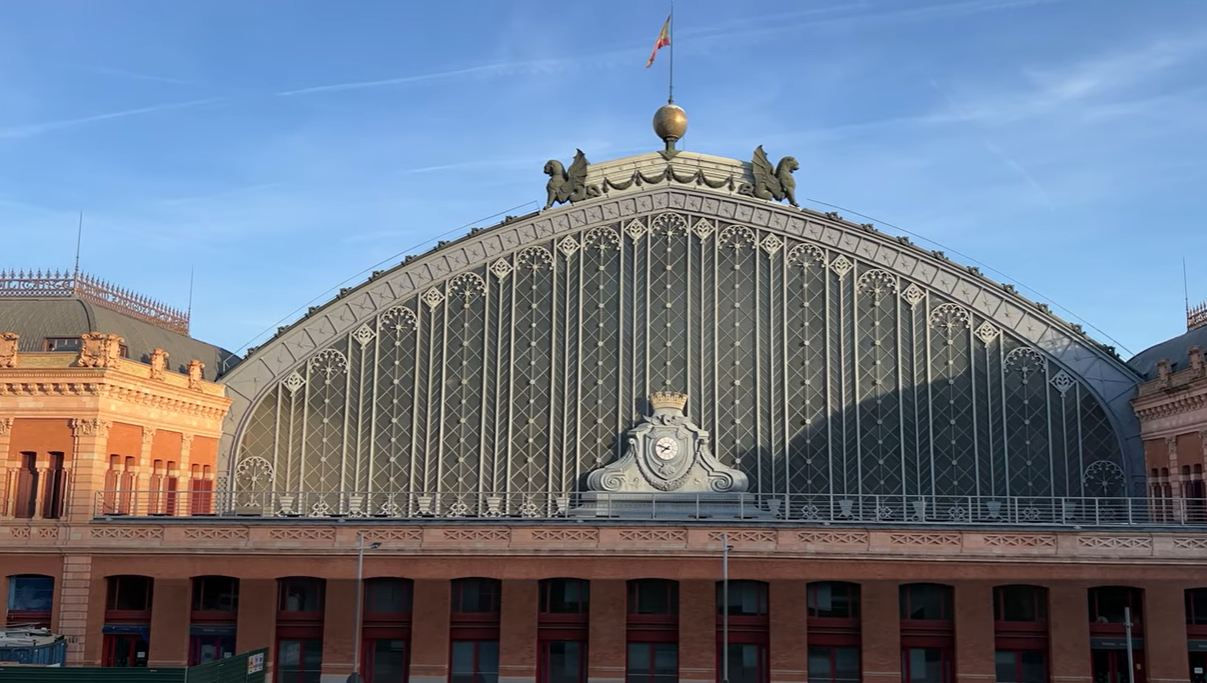
Traveling by train through Madrid often means deciding between two main stations: Chamartín or Atocha. Picking the right one can simplify your journey. Each station connects Madrid to different parts of Spain and Europe. Knowing their strengths helps you avoid confusion and unnecessary transfers.
Chamartín Station: Gateway to Northern Spain
Madrid Chamartín Clara Campoamor, commonly known as Chamartín, is in the northern part of the city. It primarily serves trains heading north and northwest. If your journey leads to cities like Bilbao, Santander, Valladolid, León, Salamanca, or Burgos, Chamartín is the best choice. It also handles high-speed trains to Galicia, reaching cities like Santiago de Compostela, Vigo, and A Coruña.

Chamartín is also Madrid’s main station for international sleeper trains. If traveling overnight to France or Portugal, Chamartín is where your journey likely begins or ends.
Station Amenities and Services
Chamartín offers modern and practical facilities. Passengers find restaurants, cafés, bookstores, and convenient waiting areas. One particularly useful service is luggage storage Chamartin, ideal if you have spare time before your train. With this service, you can safely store your bags and explore Madrid more comfortably.
The station’s layout is clear and easy to navigate. Signage and information desks help passengers find platforms and services quickly.
Transportation Links
Reaching Chamartín is simple, thanks to excellent local connections. Metro lines 1 and 10 stop at Chamartín. The station is also served by Madrid’s extensive Cercanías commuter train network, especially convenient for airport transfers. Cercanías Line C1 directly links Chamartín to Madrid-Barajas Airport, making travel easy for air travelers.
Buses and taxis readily serve the station area. However, keep in mind Chamartín’s northern location. While perfect for those staying north or passing through, it can be less convenient if your hotel or destination is in Madrid’s historic center.
Atocha Station: Doorway to Southern and Eastern Spain
Madrid Atocha, officially called Puerta de Atocha, is the primary station for southern, eastern, and southeastern Spain. Atocha is known for its extensive AVE high-speed services. It connects Madrid with major cities like Barcelona, Seville, Córdoba, Valencia, Alicante, and Málaga.

Atocha is Spain’s busiest rail station. Its popularity comes from frequent connections and central location. For most tourists visiting famous Spanish cities and regions in the south and east, Atocha is the natural starting point.
Station Amenities and Services
Atocha stands out because of its beautiful tropical garden inside the station. Palm trees, ponds, and cafés create a unique, relaxed atmosphere while waiting for a train. It’s more than just a transit hub—it’s a pleasant place to spend extra time.
Travelers find numerous restaurants, bakeries, coffee shops, stores, and comfortable seating areas. Clearly marked signs and information desks assist travelers in navigating easily.
Transportation Links
Atocha’s central position makes it extremely convenient. Metro line 1 stops directly beneath the station. Multiple bus lines connect Atocha to all areas of Madrid, and taxis are always readily available.
Like Chamartín, Atocha is connected directly to Madrid-Barajas Airport via Cercanías Line C1. This line makes it convenient for international travelers. Atocha is also close to major Madrid landmarks, including the Prado Museum, Reina Sofia Museum, and Retiro Park. For visitors planning sightseeing trips, Atocha is often the preferred option.

How to Decide Between Chamartín and Atocha?
Both stations offer high-quality services and connections, but choosing one depends on your destination and travel needs.
If heading north or northwest—Bilbao, Galicia, León, or international sleeper trains—Chamartín is your best bet. With modern facilities, and direct airport links, it suits travelers with connections or short visits.
If you plan to explore Spain’s southern or eastern cities—Barcelona, Seville, Alicante, Valencia, or Málaga—then Atocha is the right choice. Its central location, beautiful interior, and proximity to popular Madrid attractions make it ideal for tourists or short-term visitors.
Both stations connect directly via Madrid’s Cercanías network, enabling easy transfers if you need to switch stations. A journey between Chamartín and Atocha takes only 10-15 minutes by train, providing flexibility if your plans change.
Other Train Stations in Madrid: Useful Alternatives
Chamartín and Atocha are Madrid’s main railway hubs, but the city also has several smaller stations worth knowing.
Príncipe Pío Station is located near Madrid’s city center, close to the Royal Palace. This station connects Madrid with western suburbs and nearby destinations like Segovia and El Escorial. It operates Cercanías commuter trains and regional routes. Its location near popular attractions and direct metro connections make it a practical option for tourists and locals alike.

Another important station is Madrid Nuevos Ministerios, conveniently placed in Madrid’s financial district. Nuevos Ministerios is a key interchange point between the metro and Cercanías lines. It offers direct connections to Madrid-Barajas Airport via Cercanías Line C1, making it useful for travelers arriving by air. Its central location also means easy access to popular neighborhoods and shopping areas.
For those visiting the southern outskirts, Madrid Méndez Álvaro Station is significant. It primarily handles medium-distance and regional trains to southern and eastern cities, including Cuenca, Albacete, and Valencia. Méndez Álvaro also houses Madrid’s primary long-distance bus terminal, ideal for travelers who continue journeys by bus to regions with limited rail connections.


