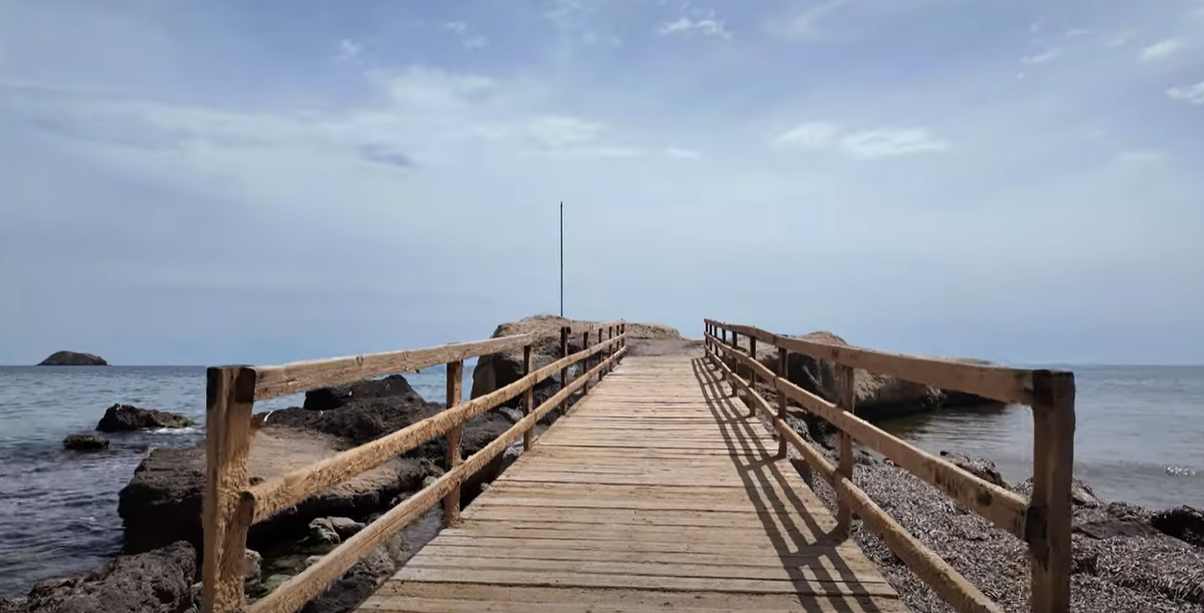
San Juan de los Terreros – a place that’s got everything going for it and somehow managed to stay under the radar while other Costa del Sol spots turned into concrete jungles. This lovely little coastal village sits right on the border between Almería and Murcia, giving you the best of both worlds without the madness that comes with being “discovered” by package tour operators.
What makes San Juan de los Terreros special isn’t just its stunning location or the fact that it enjoys up to 320 days a year sunshine, with an average temperature of 20 degrees. It’s the perfect balance of authentic Spanish seaside life with just enough modern amenities to keep you comfortable. We’re talking about a place where fishing boats still get pulled up onto the beach, where the locals haven’t been priced out by second-home buyers, and where you can still find a decent meal that doesn’t cost a fortune.
The Castle That Started It All
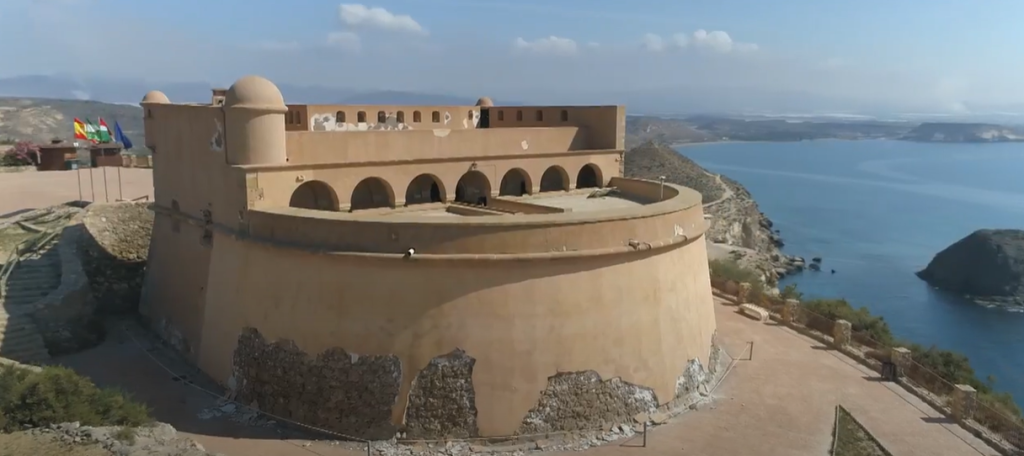
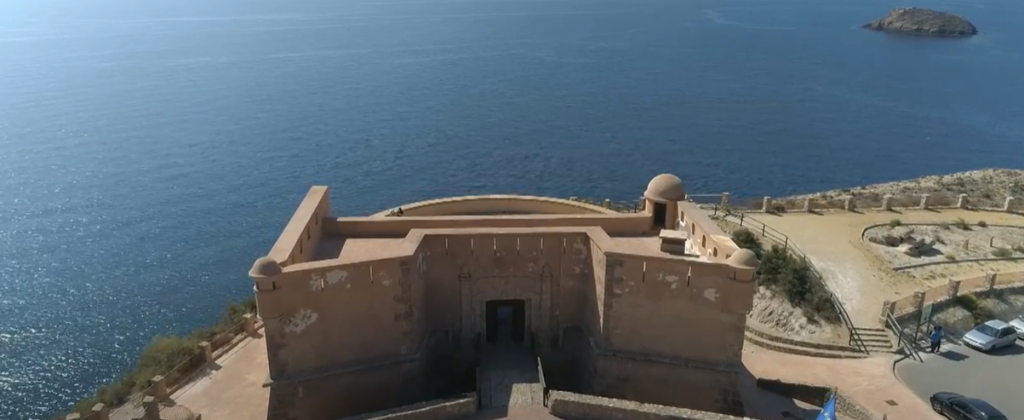
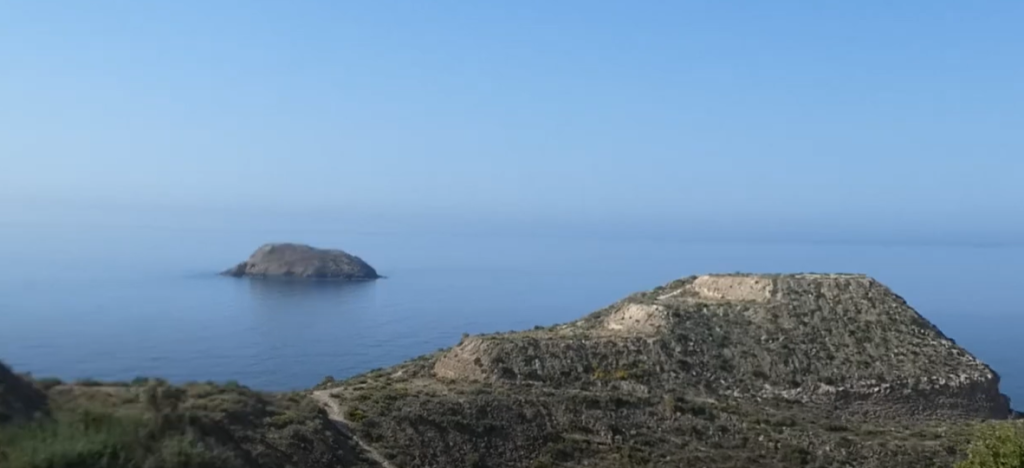
The star of the show has to be the San Juan de los Terreros Castle, built in 1764 on a promontory that overlooks a lot of the coastline of Almería and Murcia. This isn’t some crumbling ruin you peer at through fencing – it’s a proper 16th-century coastal fortress that sits 150 metres above the sea, offering views that’ll make your phone camera work overtime.
San Juan de los Terreros as we know it today, started in the 18th century as a cluster of fishing cottages close to the castle, and you can still feel that maritime heritage today. The castle was built to keep pirates at bay, and while the only invaders these days are sun-seeking tourists, the views from up there are absolutely spectacular.
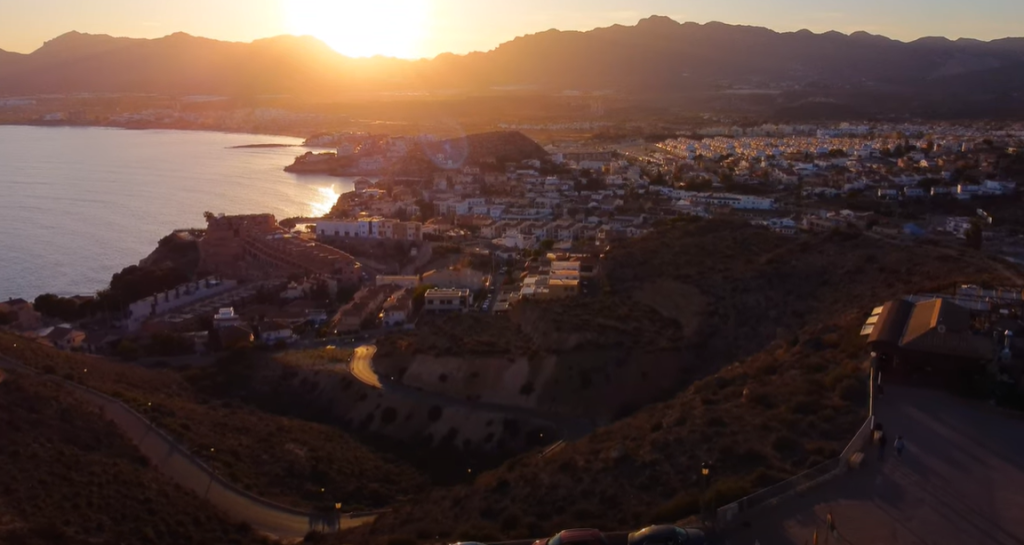
The climb up to the castle is manageable for most people, and the effort is rewarded with panoramic views that stretch from the mountains of Almería down to the Murcian coast. On a clear day, you can see for miles, and it’s the perfect spot for those sunset photos that’ll make your mates back home properly jealous.
Beaches That Actually Deserve the Hype
Now, I’ve seen plenty of beaches that promise the world and deliver disappointment, but San Juan de los Terreros isn’t one of them. It is known for its magnificent beaches, the last ones in Andalusia because the next village north is Águilas – the first town on the coast belonging to the region of Murcia.
Discover unforgettable experiences with Viator — from city tours and cultural excursions to wine tastings and scenic boat trips worldwide.For walking tours, bus tours, wine tasting, sunset boat trips and much more, check out Viator
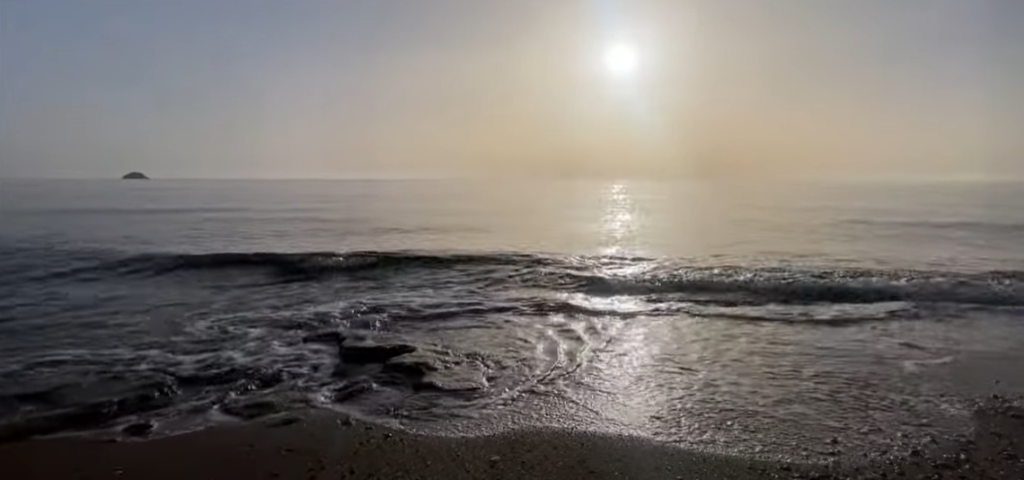
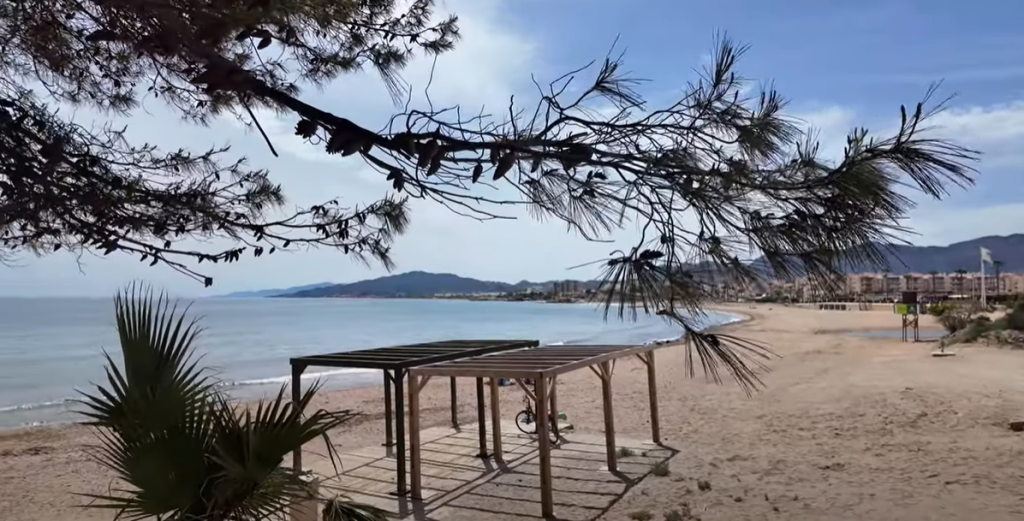
The main beach is a proper family-friendly stretch of golden sand with Blue Flag status, which means the water’s clean and the facilities are up to scratch. But here’s the thing – it’s the smaller coves and inlets that really steal the show. You’ve got hidden gems tucked away between rocky outcrops, perfect for those who prefer their beach time without the crowds.
Just offshore, you’ll spot the two islands of Isla Negra and Isla de Terreros, both are protected natural parks. These little volcanic islets add a dramatic backdrop to your beach days and are home to some interesting wildlife if you’re into that sort of thing.
Getting There and Getting Around
The beauty of San Juan de los Terreros is that it’s surprisingly accessible despite feeling like you’ve escaped to the edge of the world. The area is well connected, with excellent transport links thanks to the nearby motorway network, train services, and 3 major airports located within 2 hours or less of the area.
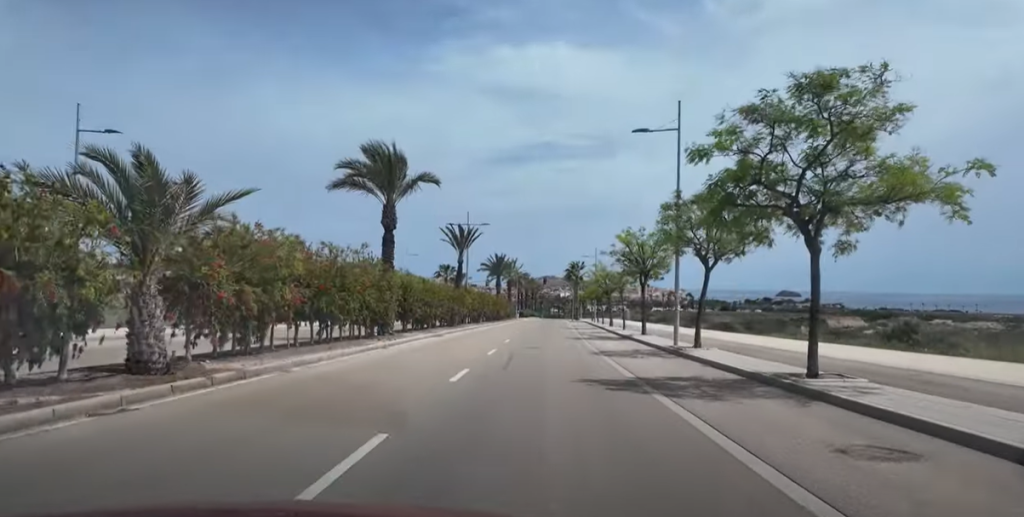
Almería Airport is your closest bet at about 90 minutes by car, though some visitors prefer flying into Murcia’s Corvera Airport, which is roughly the same distance. Both airports have decent car rental facilities, and honestly, having your own wheels is the way to go if you want to explore the wider area properly.
There’s a local bus service that connects San Juan de los Terreros with nearby towns, but it’s fairly limited outside the summer months. The good news is that the village itself is completely walkable, with everything you need within easy strolling distance.
DiscoverCars
Compare top-rated suppliers in 145+ countries with free cancellation and no hidden costs. DiscoverCars makes booking fast, fair, and simple—perfect for stress-free travel.
AutoEurope (EU & UK)
Trusted since 1954, AutoEurope offers award-winning service, zero hidden fees, and guaranteed low rates across Europe and the UK—great for cross-border trips.
Rentalcars.com
Backed by Booking.com, Rentalcars.com compares major brands instantly, giving you flexible options, verified reviews, and secure online payment—worldwide coverage included.
The Village Life
The area has supermarkets, chemist, restaurants, tapas bars, coffee shops, ice-cream parlours, and a medical centre, so you’re not exactly roughing it. What I love about this place is that it caters to visitors without losing its soul. The restaurants serve proper Spanish food alongside the tourist-friendly options, and the tapas bars are where locals actually drink.
The seafront promenade is lovely for an evening stroll, lined with chiringuitos and ice cream kiosks that come alive during the summer months. It also has a nightclub during the summer months, though don’t expect Ibiza-level shenanigans – this is more about relaxed evening drinks with a sea breeze.
🏡 Recommended by Dave in Spain: Trusted Places to Stay
-
Agoda
Great for last-minute deals and flexible stays. Wide range of hotels, apartments, and boutique finds across Spain. -
Trip.com
Smart booking platform with competitive rates and multi-language support. Ideal for international travelers exploring Spain. -
Vrbo
Perfect for families and longer stays. Find charming villas, coastal homes, and authentic Spanish rentals with local flair.
Seasonal Rhythms
Like most of coastal Spain, San Juan de los Terreros has distinct seasons that affect both the atmosphere and the practicalities of your visit. Peak season runs from July through August when Spanish families descend for their summer holidays. The weather’s glorious, everything’s open, and there’s a proper buzz about the place. However, expect higher prices and busier beaches.
The shoulder seasons – late spring and early autumn – are absolutely brilliant. May, June, September, and October offer warm weather perfect for beach days, but without the crowds. Many visitors reckon these months are actually better than peak summer, especially if you want to explore the surrounding countryside without melting.
Winter sees the village at its most peaceful. While some tourist-focused businesses close, the core of the village remains active, and you’ll experience it as the locals do. The weather can be unpredictable, but sunny days are still common, and the beaches are practically deserted.
Your Essential Questions Answered
What’s the best time to visit San Juan de los Terreros? May through June and September through October are the sweet spots – perfect weather, fewer crowds, and reasonable prices. The sea’s still warm enough for swimming, and you’ll get the place more to yourself.
What’s the parking situation like? It’s refreshingly straightforward compared to busier Spanish resorts. There’s plenty of free parking near the beaches and around the village centre. During peak summer, you might need to walk a bit further, but it’s never the nightmare you get in places like Benidorm.
How accessible is the village for people with limited mobility? The village centre and main beach are fairly accessible, with paved paths and ramps in most areas. However, some of the prettier coves require walking across uneven terrain. The castle climb is definitely challenging for anyone with mobility issues, but the views from the village level are still lovely.
Where are the best viewpoints for photography? The castle is unbeatable for panoramic shots, but don’t overlook the smaller headlands along the coast. The harbour area offers great shots of the fishing boats, and the beach promenade provides classic Mediterranean coastal scenes. Golden hour from any elevated position is magical.
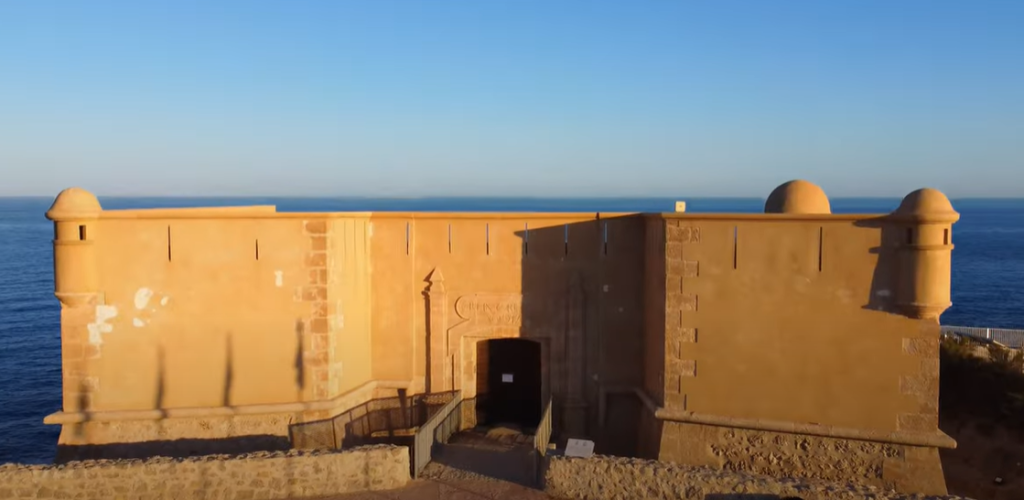
What are the must-see attractions beyond the beaches? The castle is obviously top of the list, but take time to explore the old fishing quarter and the harbour area. The volcanic islands offshore are worth photographing, and if you’re into geology, the coastal rock formations are fascinating.
What’s the local market scene like? There’s a weekly market that’s more practical than touristy – locals buying fresh produce and household goods rather than souvenir tat. The fishing boats coming in each morning create an impromptu fish market on the beach, which is brilliant for both fresh seafood and authentic photos.
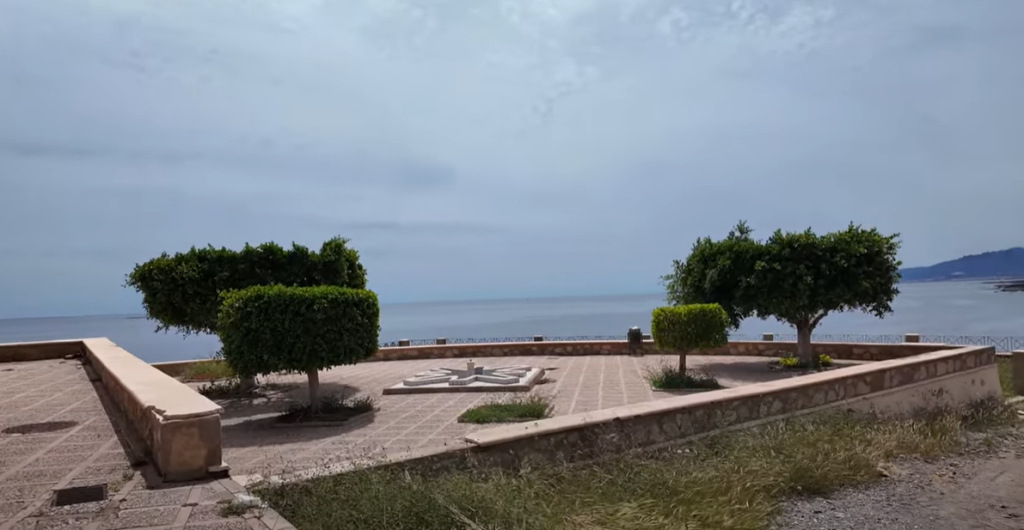
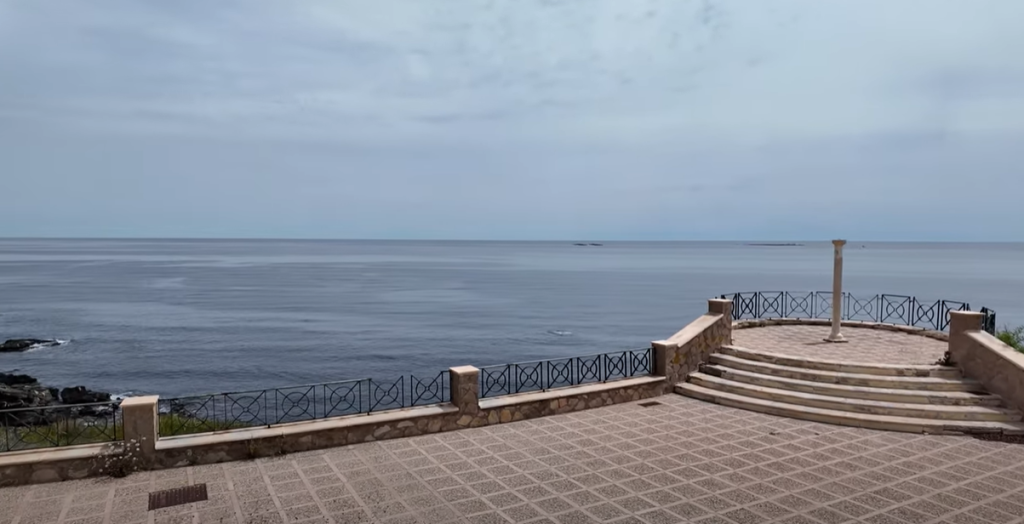
On the drive in there is an abandoned hotel, nothing new there you might say. This is a huge building, but that’s not what our attention. The views from the terraces here were fabulous, to say the least.
Final Thoughts
San Juan de los Terreros represents everything that’s brilliant about Spain’s lesser-known coastal gems – authentic character, stunning natural beauty, and genuine hospitality without the tourist circus. It’s the kind of place that reminds you why Spain’s coastline was famous long before the package holiday industry discovered it, and why sometimes the best destinations are the ones that haven’t made it onto every travel blogger’s must-visit list. This place in a way reminds me of Puntas De Calnegre, it’s off the main tourist radar, which is a good thing.