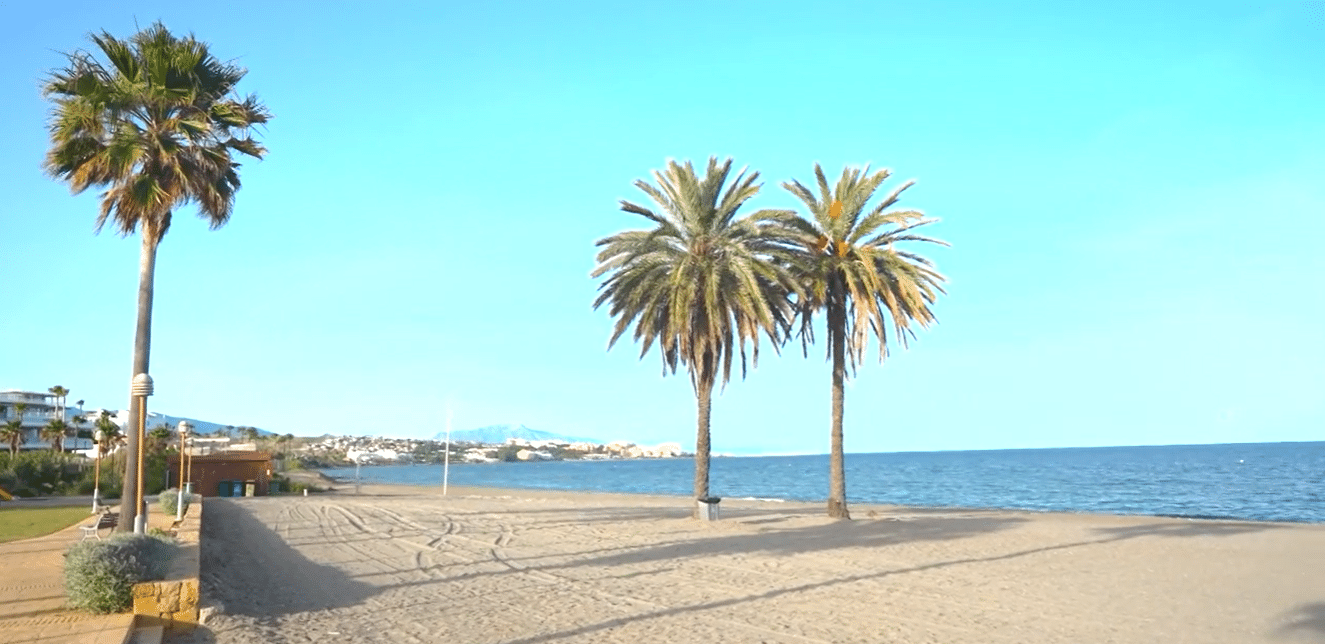
Planning your dream Spanish escape but feeling overwhelmed by the endless possibilities? I’ve spent years exploring Spain’s cobbled streets, sun-drenched plazas and mouthwatering tapas bars, and I’m here to share the perfect 10 day trip to Spain itinerary that balances iconic sights with hidden gems.
Table of Contents
Spain isn’t just a destination; it’s a passionate love affair with life itself. From Barcelona’s architectural wonders to Andalusia’s Moorish palaces, prepare for a journey that will captivate all your senses. Trust me—ten days in Spain will leave you wondering why you didn’t book a fortnight!
Planning Your Spanish Adventure
Before we dive into the day-by-day breakdown, let’s sort the practicalities. When should you visit? Well, spring (April-June) and autumn (September-October) offer that sweet spot of pleasant temperatures and smaller crowds. July and August bring scorching heat and tourist hordes, while winter can be surprisingly chilly in central Spain but remains mild along the Mediterranean coast.
Flying to Spain from the UK couldn’t be easier, with budget airlines like Ryanair and easyJet offering direct flights to Barcelona from £30 one-way if you book ahead. British Airways and Iberia provide more comfortable options starting around £100. Flight time? A mere 2-2.5 hours from London to Barcelona—barely enough time to finish your coffee and skim the guidebook.
As for the lingo, while English is widely spoken in tourist areas, learning a few Spanish phrases will enhance your experience tremendously. A simple “hola” (hello), “por favor” (please), “gracias” (thank you), and “la cuenta, por favour” (the bill, please) will earn you smiles and sometimes even an extra tapa.
Budget-wise, Spain remains relatively affordable compared to other Western European destinations. Expect to spend roughly £80-120 per day per person, including accommodation, food, attractions, and local transport. Of course, this can skyrocket if you’re partial to Michelin-starred restaurants or boutique hotels with rooftop pools.
And what about packing? Light layers are your best mate here. Even in summer, evenings can turn cool, especially in central Spain where the altitude brings temperature swings. Comfortable walking shoes are non-negotiable—Spanish cities are made for wandering. Don’t forget your swimwear if visiting coastal areas, and always pack a scarf or light covering for visiting churches and cathedrals.
Getting Around: Trains, Planes & Automobiles
Spain boasts one of Europe’s finest transportation networks, making it a doddle to navigate. The crown jewel is undoubtedly Spain’s high-speed AVE train system, which connects major cities at speeds reaching 310 km/h. Madrid to Barcelona? Just 2.5 hours, compared to a 6-hour drive. It’s not the cheapest option, with tickets ranging from €30-120 depending on how far in advance you book, but the comfort and speed are worth every euro.
The Trainline and Rail Europe are brilliant for booking Spanish trains from the UK, often offering better interfaces than RENFE (Spain’s national rail company). Book as early as possible—ideally 60-90 days ahead—for the best fares. And yes, there’s a discount for return journeys.
For shorter intercity routes where high-speed trains don’t operate, ALSA buses provide a comfortable and surprisingly luxurious alternative. Their “Supra” class includes leather seats, entertainment systems, and even simple refreshments. Most importantly, they’ll get you to smaller towns that trains don’t reach.
Omio deserves a special mention as it compares trains, buses, and flights in one search—perfect for when you’re weighing up options between, say, Valencia and Granada.
Plan your travel easily with Omio compare and book trains, buses, and ferries across Spain with one simple platform.For Train, Bus & Ferry Tickets In Spain Check Out Omio
What about car rentals? Unless you’re planning extensive countryside exploration or visiting remote villages, I’d suggest sticking with public transport. Spanish city centres are often restricted to traffic, parking can be a nightmare, and one-way rental fees between cities are punitive. That said, if rural exploration is your cup of tea, expect to pay about €30-50 per day for a small car, plus fuel.
Within cities, public transportation is generally excellent. Barcelona and Madrid have comprehensive metro systems (single tickets around €2.20), while smaller cities like Seville and Valencia are perfect for walking or cycling. Many cities offer tourist cards combining public transport with attraction discounts—often a savvy purchase if you’re planning to hit multiple sights.
Day 1-2: Barcelona—Gaudí, Gothic Quarter & Gastronomic Delights
Your Spanish adventure begins in Barcelona, where medieval charm meets modernist flair. After touching down at El Prat Airport, take the RENFE train (€4.60) or Aerobus (€5.90) to the city centre. Skip the taxis—they’re pricey and often slower given the traffic.
For accommodation, the Eixample district offers an ideal balance of accessibility and atmosphere. Hotel Praktik Vinoteca offers stylish rooms with a wine theme from €120 per night, while budget travellers should check out TOC Hostel Barcelona for pod-style beds from €30.
Day one is all about getting your bearings. Start with a morning stroll down Las Ramblas, Barcelona’s famous boulevard. Yes, it’s touristy, but it’s a rite of passage. Veer off into the Gothic Quarter, where the narrow medieval streets suddenly open into charming plazas. Plaza del Pi and Plaza Reial are particularly lovely spots to sip your first Spanish café con leche.
By midday, your stomach will be rumbling. Head to Mercat de la Boqueria, Barcelona’s most famous food market. Don’t eat at the stalls right at the entrance (tourist traps, the lot of them). Instead, venture deeper inside where locals shop. Grab some jamón ibérico, manchego cheese, and fresh fruit for a makeshift picnic.
The afternoon calls for your first Gaudí experience—Casa Batlló. While Sagrada Familia gets all the glory (we’ll get there tomorrow), this apartment building showcases Gaudí’s genius on a more intimate scale. The undulating façade, mushroom-shaped fireplaces, and skeletal windows reveal why Barcelona became synonymous with modernist architecture. Book tickets online (€35) to avoid queues.
As evening approaches, it’s time for a proper introduction to Spanish dining culture. Remember, locals don’t eat dinner until at least 9pm. Head to El Xampanyet in the Born district for traditional tapas in a standing-room-only bar that’s been serving cava and anchovies since 1929. Don’t miss their marinated octopus and patatas bravas.
Day two begins with the main event—Sagrada Familia. Book the first slot of the day (currently 9am) to experience Gaudí’s masterpiece without the crowds. The play of morning light through the stained glass is nothing short of magical. Splurge on a ticket with tower access (€40) for panoramic city views. Give yourself at least two hours here; it’s not a place to rush.
Afterwards, hop on the metro to Park Güell, another Gaudí masterpiece transformed into a public park. The mosaic benches and gingerbread-like structures feel plucked from a fairytale. Only the monumental zone requires tickets (€10), but book ahead as they limit daily visitors.
For lunch, escape the tourist trail and head to Gracia neighbourhood. This formerly independent village maintains its community feel with local shops and restaurants. Try La Pubilla for a modern take on Catalan cuisine—their menú del día (daily menu) offers tremendous value at around €15 for three courses.
Spend your afternoon exploring Montjuïc hill, accessible via cable car or, if you’re feeling energetic, a vigorous walk. The reward? Spectacular city views, beautiful gardens, and the impressive National Art Museum of Catalonia. As sunset approaches, position yourself near the Magic Fountain for its free light and music show (Thursday to Sunday, times vary seasonally).
For your final Barcelona evening, dive into the Barceloneta neighbourhood for seafood. La Cova Fumada doesn’t take reservations and looks nothing special, but their bombas (potato croquettes with spicy sauce) and freshly grilled sardines have been drawing locals for generations.
Discover Barcelona with Viator and explore top-rated tours, excursions, and experiences to make the most of your visit.All The Popular Barcelona Tours & Excursions From Viator
Day 3: Montserrat Day Trip—Mountains and Monasteries
Rise early for a fascinating day trip to Montserrat, the jagged mountain range housing one of Spain’s most important monasteries. The journey itself is part of the experience. Head to Plaça Espanya station and take the R5 train line, choosing either the cable car option (more scenic) or the rack railway (more comfortable) for the final ascent. The combined train and mountain transport ticket costs about €22 return.
The Benedictine monastery of Santa Maria de Montserrat sits dramatically between rock pinnacles at 1,236 metres above sea level. Time your visit to hear the famous L’Escolania boys’ choir, which performs daily (except Saturdays) at 1pm and 6:45pm (times may vary). Their rendition of “Virolai,” Montserrat’s hymn, echoing through the basilica will give you goosebumps.
After visiting the basilica and viewing the Black Madonna (La Moreneta)—the monastery’s most treasured relic—take one of the funiculars further up the mountain. Sant Joan funicular offers the most spectacular views, with several hiking trails suitable for different fitness levels. The path to Sant Jeroni, the highest peak, takes about two hours round trip but rewards with panoramic vistas stretching to the Pyrenees on clear days.
Pack a picnic lunch or try traditional Montserrat cheese and honey from the market stalls near the monastery. Alternatively, Restaurant Montserrat offers sit-down meals with mountain views, though expect to pay a premium for the location.
Return to Barcelona by late afternoon, giving yourself time for a final evening passeig (stroll) along the beachfront promenade before packing for tomorrow’s train journey.
Day 4-5: Valencia—City of Arts and Paella Paradise
On day four, catch a morning high-speed train from Barcelona Sants to Valencia (2 hours, €25-60). Valencia strikes the perfect balance between big-city amenities and manageable size, with the added bonus of gorgeous Mediterranean beaches.
Base yourself near the old town or the trendy Ruzafa district. Hospes Palau de la Mar offers luxury in a 19th-century palace from €150 per night, while Cantagua Hostel provides stylish shared and private rooms from €25.
Begin your exploration in Valencia’s old town, where the magnificent Cathedral claims to house the Holy Grail (yes, that Holy Grail). For €8, you can climb the 207 steps of the Miguelete tower for 360-degree city views. Nearby, La Lonja de la Seda (Silk Exchange) showcases Gothic civil architecture at its finest—its twisted columns and vaulted ceilings demonstrating why it earned UNESCO World Heritage status.
When hunger strikes, head straight to Mercat Central, one of Europe’s largest fresh food markets. The art nouveau building itself is worth admiring, but the real draw is the incredible produce. Pick up some Valencian oranges for a vitamin boost, then find the Central Bar by Ricard Camarena for modern tapas in the heart of the market.
Spend your afternoon wandering the Jardín del Turia, a unique city park created when Valencia diverted the flood-prone Turia River around the city and transformed the old riverbed into 9km of gardens, sports facilities, and playgrounds. This green serpent winding through Valencia ranks among Europe’s most innovative urban renewal projects.
At the eastern end of this park lies Valencia’s crown jewel: the City of Arts and Sciences. This futuristic complex designed by Santiago Calatrava resembles something from a sci-fi film with its brilliant white structures reflected in azure pools. The science museum, aquarium, and opera house each merit a visit, but initially, just wander around absorbing the architectural audacity. The combined ticket for all attractions (around €40) offers the best value if you plan to visit multiple buildings.
For dinner, it’s paella time! Valencia is the birthright of Spain’s most famous dish, and locals take it very seriously. Authentic Valencian paella contains chicken, rabbit, and snails—not seafood, as many tourists expect. La Riuà or Casa Carmela serve the real deal cooked over wood fires. Order for a minimum of two people (€20-25 per person) and remember that paella is traditionally a lunch dish, though tourist-friendly restaurants serve it for dinner too.
Start day five with horchata, Valencia’s signature drink made from tiger nuts, paired with fartons (elongated sweet pastries) at Horchatería Santa Catalina. Then head to Malvarrosa Beach for morning Mediterranean air. The wide, sandy beach offers perfect strolling territory with a palm-lined promenade and numerous café terraces.
Return to the city centre for lunch at El Alto de Colón, a rooftop market with various food stalls offering everything from traditional Spanish tortilla to fusion tacos. Afterwards, explore the bohemian El Carmen neighbourhood, where street art decorates medieval walls and tiny plazas hide craft shops and hipster cafés.
For your final Valencia evening, visit the Ruzafa district, where locals bar-hop between trendy joints like Ubik Café (part bookshop, part café-bar) and La Fustería. The Agua de Valencia cocktail—a dangerously drinkable mix of cava, orange juice, vodka, and gin—makes the perfect nightcap.
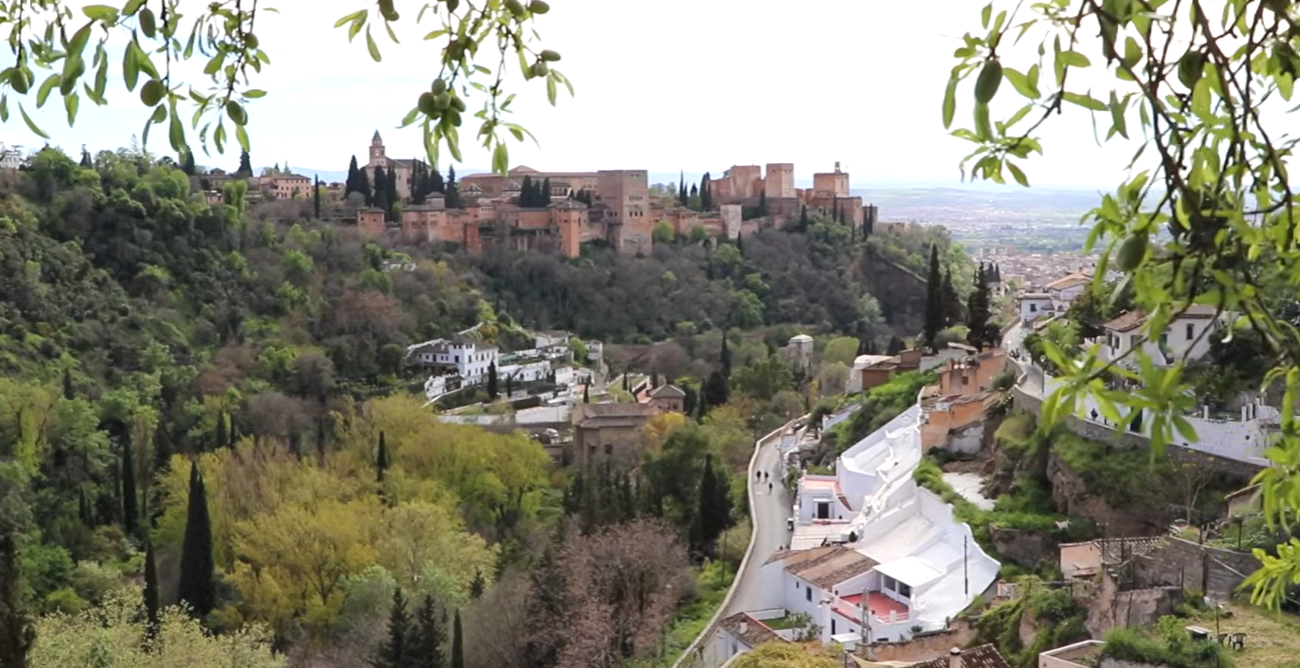
Day 6-7: Granada—Alhambra Dreams and Flamenco Nights
Day six requires an early start for your journey to Granada. With no direct high-speed train, your best options are flying (1 hour, €50-100) or taking the ALSA premium bus (7-8 hours, €30-60). The bus journey is long but surprisingly comfortable with wifi, entertainment systems, and regular rest stops.
Granada, nestled at the foot of the Sierra Nevada mountains, offers a captivating blend of Muslim and Christian heritage. The intimate scale of the historic centre makes it perfect for exploration on foot, though the steep hills will test your calf muscles!
Aim for accommodation in the Albaicín (the old Muslim quarter) or Centro. Hotel Casa 1800 offers boutique luxury in a restored mansion (€150-250), while Makuto Backpackers Hostel provides affordable beds in a quirky house with garden (€20-30).
Your Granada experience hinges on one magnificent site: the Alhambra. This Moorish palace complex represents the pinnacle of Islamic architecture in Spain, with intricate carvings, peaceful courtyards, and gardens that engage all senses. Tickets (€14) sell out weeks—sometimes months—in advance, so book the moment you confirm your Spain dates. Choose an afternoon slot around 2pm, allowing morning exploration of other Granada highlights.
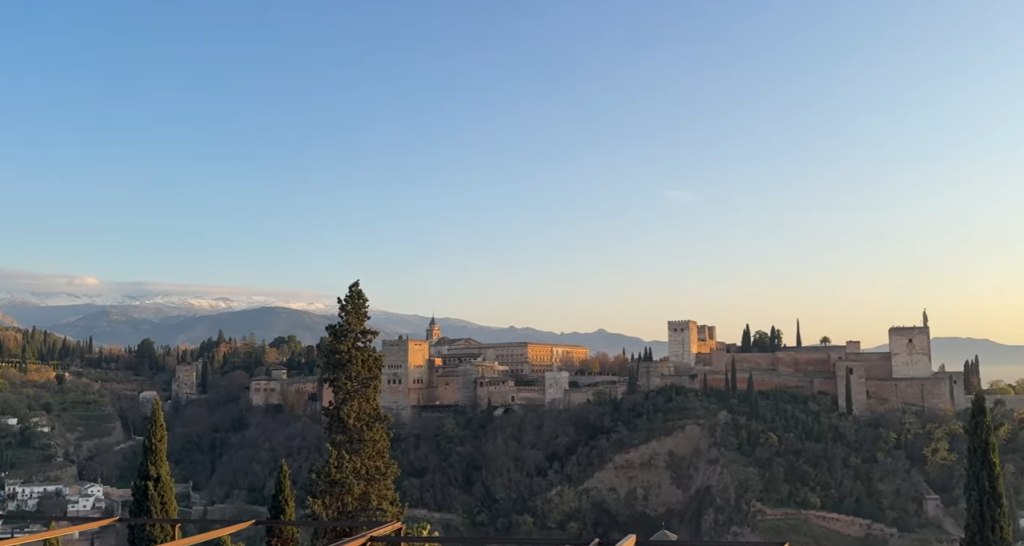
Before your Alhambra visit, wander through the Albaicín’s labyrinthine streets. This hillside neighbourhood retains its medieval Moorish character with whitewashed houses, hidden carmens (houses with walled gardens), and stunning views of the Alhambra across the ravine. Follow signs to Mirador San Nicolás for the classic Alhambra panorama, preferably in morning light when the red fortress walls glow warmest.
For lunch, try Casa Torcuato, a local favourite serving generous raciones (larger than tapas portions) in an unpretentious setting. Granada maintains the traditional practice of serving free tapas with every drink—order a caña (small beer) for about €2.50 and prepare to be surprised by whatever tapa arrives.
After lunch, make your way to the Alhambra for your timed entry. Give yourself at least 3-4 hours to explore the Nasrid Palaces (the artistic highlight), Generalife gardens, and Alcazaba fortress. The lion courtyard and intricate stuccowork of the palaces will leave you breathless, while the gardens offer respite with bubbling fountains and fragrant roses.
As evening falls, head to Sacromonte, the traditional Roma quarter famous for its cave dwellings and flamenco zambras. Cueva de la Rocío offers authentic performances in a cave setting (€25, including a drink). The passion and raw emotion of flamenco resonates particularly powerfully in these intimate spaces where the art form evolved.
On day seven, visit Granada Cathedral and the Royal Chapel, where Catholic Monarchs Ferdinand and Isabella are buried. Their tombs symbolise the end of Moorish Spain and formation of modern Spain as we know it. The combined ticket costs €10.
Afterwards, explore the Realejo, the former Jewish quarter now known for vibrant street art, particularly works by local artist El Niño de las Pinturas. Stop for coffee at Café 4 Gatos, a local institution with eclectic décor and excellent pastries.
For lunch, seek out Los Diamantes, a standing-room-only seafood bar where the fried fish arrives sizzling hot and perfectly crisp. In the afternoon, consider a visit to Hammam Al Ándalus, recreated Arab baths offering a relaxing respite for travel-weary muscles (€35 for bath circuit, extra for massage).
End your Granada stay with dinner at Bodegas Castañeda, a bustling tavern serving traditional dishes like habas con jamón (broad beans with ham) and berenjenas con miel (aubergines with honey). The lively atmosphere provides a perfect farewell to this enchanting city.
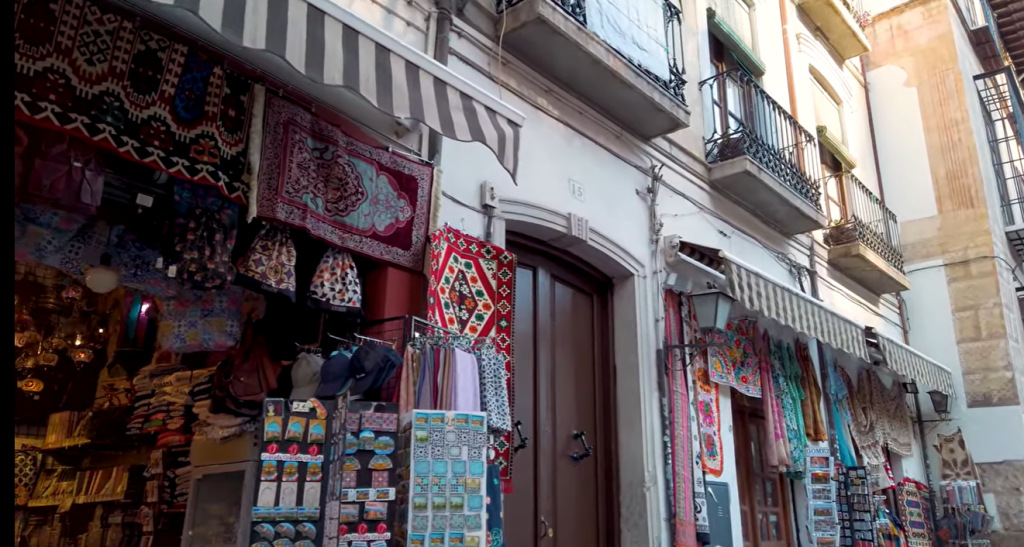
Day 8-9: Seville—Andalusian Elegance and Orange-Scented Plazas
On the morning of day eight, catch the ALSA bus from Granada to Seville (3 hours, €23-28). As you approach Andalusia’s capital, prepare for a city that embodies Spanish passion—from the hypnotic swirl of flamenco skirts to the intoxicating scent of orange blossoms in spring.
Seville’s compact historic centre makes it ideal for pedestrian exploration. The Santa Cruz or Arenal neighbourhoods offer the best bases. Hotel Casa del Poeta provides luxury in a restored 17th-century mansion (€180-250), while Hostel One Catedral offers sociable budget accommodation (€25-35).
Begin your Sevillian adventure at the cathedral, the largest Gothic church in the world and burial place of Christopher Columbus (though whether his remains are actually there remains contentious). The adjoining La Giralda tower, originally a minaret, provides the city’s best viewpoint after a climb up ramps rather than stairs—designed so guards could ride horses to the top! The combined ticket costs €11.
Next door, the Real Alcázar presents another stunning example of Mudéjar architecture (Christian designs influenced by Muslim aesthetic). Unlike the Alhambra, it’s still used as a royal residence today. The tile work, peaceful gardens, and intricate plasterwork make it a must-see (€12.50, book ahead to avoid queues).
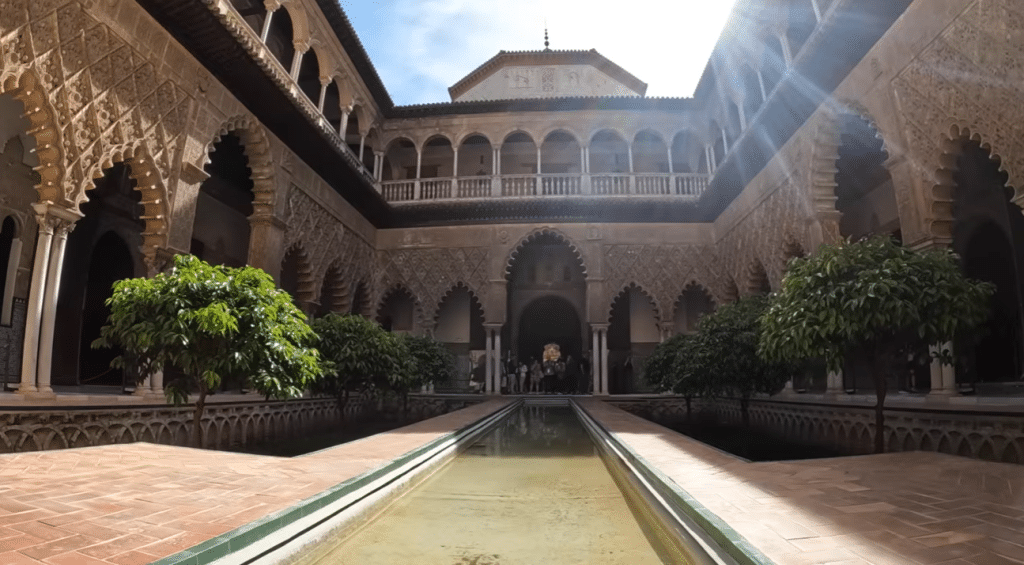
For lunch, venture slightly north to the Macarena district for more authentic and affordable options. Bar Eslava serves modern tapas that have earned cult status—their slow-cooked egg on boletus cake with wine reduction deserves its countless Instagram appearances.
Spend your afternoon exploring Plaza de España, built for the 1929 Ibero-American Exposition. This semi-circular complex with its canal, bridges, and ceramic provincial alcoves manages to be both grandiose and charming. The surrounding María Luisa Park offers shady respite from Seville’s often scorching temperatures.
As evening approaches, head to Calle Betis along the riverfront in Triana neighbourhood. This strip of restaurants and bars offers scenic views back to the historic centre, especially magical as the buildings illuminate at dusk. La Primera del Puente serves excellent seafood on a riverside terrace—their prawns al ajillo (in garlic oil) are worth crossing the Guadalquivir for.
After dinner, catch authentic flamenco at Casa de la Memoria (€18). Unlike tourist-oriented tablaos, this intimate venue focuses on the art form itself rather than flashy costumes or dramatic staging.
Start day nine with a morning visit to Metropol Parasol, locally known as “Las Setas” (The Mushrooms). This modern wooden structure houses Roman ruins in its basement, a market at ground level, and a serpentine walkway on top offering panoramic city views (€5 for rooftop access, includes voucher for a drink).
For mid-morning refreshment, try churros con chocolate at Bar El Comercio, a historic establishment still using traditional methods. Their thick hot chocolate makes the perfect dipping sauce for crispy churros.
Spend your afternoon exploring the former Jewish quarter of Santa Cruz, where whitewashed alleys barely wide enough for two people to pass lead to unexpected plazas with orange trees and fountains. Getting purposefully lost here ranks among Seville’s greatest pleasures.
For your final Seville evening, book a sunset cruise along the Guadalquivir River (€20), followed by dinner at Restaurante Oriza for more refined Andalusian cuisine. Their salmorejo (cold tomato soup, thicker than gazpacho) and carrillada (slow-cooked pork cheeks) exemplify regional cuisine at its finest.
Finish with rooftop drinks at Hotel EME’s terrace bar, where cathedral views and creative cocktails provide a memorable Seville farewell.
Discover Seville’s charm with Viator from tasty food tours to relaxing boat trips and fascinating walking tours.Sevilla Food Tour, Boat Trips, Walking Tours And More With Viator
Day 10: Madrid—Royal Palace and Departure
For your final day, take the morning AVE train from Seville to Madrid (2.5 hours, €30-80). While a single day can’t do justice to Spain’s magnificent capital, you can sample its highlights before your departure.
Store luggage at Atocha station (€10 per item) or your departure airport if flying out that evening. For a later flight or overnight stay, Hotel Catalonia Gran Vía offers central comfort (€120-180), while Room007 Ventura Hostel provides clean budget accommodations (€25-40).
Focus your limited Madrid time on the area around the Royal Palace and Plaza Mayor. The palace (€12) showcases royal opulence with 3,000 rooms, though only a fraction are open to visitors. Nearby, the Almudena Cathedral and its museum offer an interesting architectural contrast, combining neoclassical, neo-Gothic and neo-Romanesque styles.
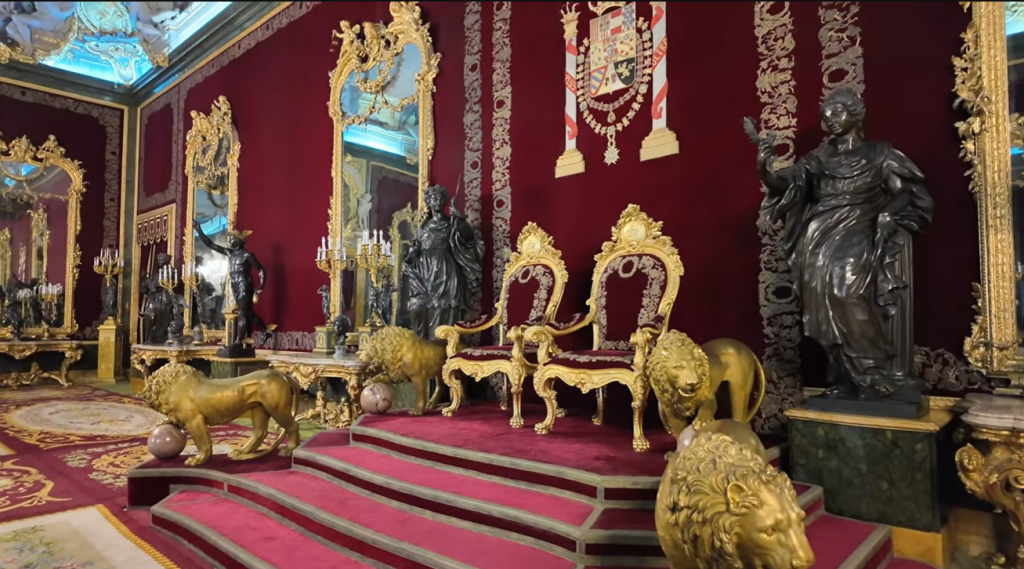
For lunch, explore Mercado de San Miguel, a glass-enclosed gourmet market where you can sample Spanish specialties from different vendors. Though touristy, it offers excellent quality and the perfect opportunity for last-minute food souvenirs like saffron, olive oil, or vacuum-packed jamón.
If time permits before your departure, choose between artistic and historical Madrid. Art lovers should sprint through at least one hall of the Prado Museum (€15), focusing on Spanish masters like Velázquez, Goya, and El Greco. History buffs might prefer Plaza Mayor and surrounding medieval Madrid of the Austrias district.
For a final Spanish meal, Casa Labra near Puerta del Sol serves Madrid’s best croquetas de bacalao (salt cod croquettes) in a timeworn tavern that’s barely changed since 1860. Wash them down with vermút de grifo (draft vermouth)—a perfect digestif before your journey home.
Experience Madrid’s culture and history with Viator. Book unforgettable tours and excursions with trusted local guides.Amazing Madrid Tours & Excursions at Viator
Customisation Options: Making This Itinerary Your Own
This 10-day route offers a wonderful introduction to Spain’s diversity, but your perfect trip might look different. Here are some alternatives to consider:
If Time Is Limited (7 Days):
Focus on either the Barcelona-Valencia axis or the Granada-Seville-Madrid route. Trying to squeeze all five cities into a week would result in more time on trains than in tapas bars.
If You Have Extra Time (14 Days):
Add San Sebastián in the north for the world’s best pintxos (Basque tapas) and gorgeous beaches. Alternatively, include Córdoba (its Mezquita-Cathedral is stunning) and perhaps white villages like Ronda or coastal Málaga.
Beach Lovers:
Substitute Valencia with Alicante or add Costa Brava beaches near Barcelona. May through October offers the best swimming weather.
Foodies:
Consider San Sebastián and La Rioja wine region in the north instead of Granada. Spain’s highest concentration of Michelin stars and world-class wineries awaits.
History Buffs:
Add Toledo and Segovia as day trips from Madrid. Both UNESCO cities offer extraordinary historical richness with minimal travel effort.
Family-Friendly:
Consider more time in Valencia (its aquarium and science museum are fantastic for kids) and perhaps substitute Granada with Seville’s more accessible attractions.
DiscoverCars
Compare top-rated suppliers in 145+ countries with free cancellation and no hidden costs. DiscoverCars makes booking fast, fair, and simple—perfect for stress-free travel.
AutoEurope (EU & UK)
Trusted since 1954, AutoEurope offers award-winning service, zero hidden fees, and guaranteed low rates across Europe and the UK—great for cross-border trips.
Rentalcars.com
Backed by Booking.com, Rentalcars.com compares major brands instantly, giving you flexible options, verified reviews, and secure online payment—worldwide coverage included.
Practical Tips and Cultural Insights
Understanding a few Spanish customs will significantly enhance your experience:
Timing Is Everything
Spanish meal times require adjustment for British visitors. Breakfast (desayuno) is light—usually just coffee and toast or a pastry. Lunch (comida) from 2-4pm is the main meal, while dinner (cena) rarely starts before 9pm. Adapt by incorporating the merienda—a late afternoon snack around 6pm to keep hunger at bay.
Siesta Reality
While not everyone naps mid-afternoon, many shops still close from roughly 2-5pm, especially in smaller cities and during summer. Plan sightseeing accordingly, and use this time for museums or lunch.
Tipping Culture
Tipping isn’t obligatory in Spain. For exceptional service, rounding up the bill or leaving 5-10% shows appreciation, but locals often just leave small change.
Sunday Closures
Many shops and some attractions close Sundays, particularly outside tourist zones. Monday closures for museums are also common—always check opening hours.
Language Variations
Beyond Castilian Spanish, you’ll encounter regional languages. Catalans appreciate visitors attempting a few words of Catalan, while Valencian and Galician also have official status in their regions.
Weather Preparations
Spain isn’t uniformly sunny and warm. Central Spain (Madrid) experiences cold winters and hot summers, while coastal areas offer milder temperatures year-round. Always check seasonal averages for your specific destinations.
Safety Matters
Spain is generally very safe, but like any tourist destination, pickpocketing occurs in crowded areas. Use hotel safes for valuables and keep bags secured, especially on Las Ramblas in Barcelona and around major attractions.
10 Day Trip To Spain Itinerary Conclusion: Your Spanish Fiesta Awaits
From Gaudí’s fantastical creations to the mathematical precision of Moorish architecture; from passionate flamenco performances to leisurely seafront paseos; from first sip of morning café con leche to final evening glass of tempranillo—this 10 day trip to Spain itinerary delivers the essence of Spanish life.
The beauty of Spain lies not just in its world-class attractions but in its approach to living—that ineffable quality the Spanish call “disfrutar,” or enjoying life’s pleasures without guilt. Whether you’re gazing at centuries-old art, savoring a perfectly executed paella, or simply watching the world pass by from a sunny plaza bench, Spain teaches us to appreciate moments rather than just tick boxes.
So pack your bags, brush up on your Spanish phrases, and prepare for ten days that will captivate your senses and quite possibly change how you view the world. ¡Buen viaje!